

Imagine this simple everyday scene. You walk into your dark living room, reach out your hand, and flip a small plastic wall switch. Instantly, your room is bathed in a warm, comfortable, and beautiful glow. You sit down to read a book, completely taking for granted the incredible physical magic happening inside that tiny glass bubble. Have you ever actually stopped to wonder: how does a light bulb turn raw electricity into visible light? Why do some older bulbs get hot enough to cause severe skin burns, while modern LED bulbs stay completely cool to the touch?
Let us face the truth. Most of us think about light bulbs the same way we think about paper towels—they are simply everyday household items. But if you want to understand how different lighting technologies affect your home’s efficiency, comfort, and safety, understanding the science behind the glow is vital. Today, lighting technology has evolved from primitive hot wires burning in a vacuum to advanced computer chip semiconductors. This comprehensive educational guide will answer all your practical questions. We will deconstruct exactly how different light bulb types produce light, compare their physical mechanisms, and show you why modern LEDs have become today’s undisputed lighting standard.
By learning how modern light output is created, you can appreciate the incredible engineering inside your light fixtures. You will understand why getting the right technology prevents electrical flickering, cuts your energy bills, and ensures your home is safely and beautifully illuminated. Whether you are planning a home design upgrade or simply satisfying your scientific curiosity, this article is your ultimate reference manual to how light bulbs work.
Table of Contents
What Makes a Light Bulb Produce Light?
To understand light bulb technology, we should first establish the fundamental rule of energy conservation. You see, electricity is simply a form of kinetic energy—a wild river of moving electrons. A light bulb is actually a highly specialized energy converter. Its sole purpose is to capture that moving electrical energy and convert it into visible light waves.
Electricity as the Fuel
The process begins when electricity enters the bulb through the metal base at the very bottom. Sockets and bases are independent of bulb shapes, meaning you can easily buy E12, E26, G9, and GU10 bases as energy-efficient LEDs. When the bulb is screwed tightly into a socket, the metal base makes contact with live wires inside the fixture. This completes an electrical path, allowing current to flow safely into the bulb.
The Core Methods of Conversion
Depending on the type of light bulb you use, the internal components will convert that electrical current into visible light using one of three primary scientific methods. Let us summarize these core conversion methods to see how they differ at a glance:
Table 1: Light Conversion Methods of Common Bulb Types
| Light Conversion Method | Physical Mechanism Inside | Light Bulb Types Using It | Energy Efficiency Profile |
|---|---|---|---|
| Thermal Incandescence | Electricity heats a tungsten wire until it glows. | Traditional Incandescent, Halogen Bulbs | Poor (90% energy lost as heat) |
| Gaseous Discharge | Electricity excites mercury vapor to make powder fluoresce. | Fluorescent Tubes, Compact CFLs | Good (Up to 75% savings) |
| Solid-State Electroluminescence | Electricity jumps across a semiconductor, releasing photons. | LED Bulbs, Smart LED Bulbs | Excellent (Up to 90% savings) |
By comparing these basic methods, you can see that different light bulbs achieve the same visual goal using completely different physical processes. Now, let us take a deeper, highly detailed look at how each technology works.
How Incandescent Light Bulbs Work
The traditional incandescent bulb is the oldest form of electric home lighting, first patented and commercialized in the late 19th century. While they have been loved for generations, they are quickly becoming a relic of the past. Let us look at how they work and why they are disappearing.
The Filament Principle
An incandescent light bulb works through thermal emission. When electricity enters the bulb, it runs through a very thin wire filament made of a tough metal called tungsten. Because the wire is so fine, the electrical current struggles to pass through. This massive resistance heats the tungsten wire to a blistering 4,500 degrees Fahrenheit. At that extreme heat, the metal glows white-hot, releasing visible light.
Why Incandescent Bulbs Produce So Much Heat
Because incandescence relies entirely on heating a wire to produce light, it is incredibly wasteful. About 90% of the electrical energy consumed is completely lost as infrared heat, with only 10% converted into visible light. This makes the glass dome extremely hot to the touch, creating a serious fire hazard if placed near fabric shades or paper lanterns. Due to this massive waste, standard incandescent bulbs have been phased out or banned for general home use in many countries.
Advantages & Disadvantages
Advantages: Beautiful, warm, and natural light quality; perfect Color Rendering Index (100 CRI); natively dimmable.
Disadvantages: High energy consumption; extremely short lifespan (750 to 1,500 hours); generates massive amounts of physical warmth.
How Halogen Bulbs Work
Halogen bulbs are an upgraded, slightly more efficient version of the traditional incandescent bulb. First introduced in 1959, they designed a way to make filaments burn hotter and last longer. Let us explore the science of halogen bulbs.
The Halogen Cycle Chemical Reaction
Like standard incandescents, halogens utilize a tungsten wire filament. However, the filament is sealed inside a smaller, heavy-duty quartz glass capsule instead of a standard large glass globe. This capsule is filled with a small amount of active halogen gas, usually iodine or bromine.
When electricity heats the filament, the tungsten molecules naturally evaporate. In an old bulb, these particles would stick to the inside glass, darkening the bulb over time. But inside a halogen capsule, the gas captures the floating tungsten particles and glues them back onto the hot wire. This continuous cycle allows the filament to run much hotter and brighter, producing a very crisp, pure white light while extending the bulb’s lifespan.
Incandescent vs. Halogen Sizing Comparison
Let us compare the structural features of these two filament-based technologies to see how they differ:
Table 2: Incandescent vs. Halogen Structural Comparison
| Structural Feature | Incandescent Bulbs | Halogen Bulbs |
|---|---|---|
| Glass Envelope Material | Thin soda-lime glass (standard) | Heavy-duty quartz glass capsule |
| Internal Gas Mixture | Inert gas (such as nitrogen or argon) | Active halogen gas (iodine or bromine) |
| Filament Operating Temp | ~4,500°F | ~5,400°F (Hotter & brighter) |
| Surface Operating Temp | ~250°F to 300°F | ~400°F to 500°F (Burn hazard!) |
How Fluorescent Bulbs Work
Fluorescent and Compact Fluorescent Lamp (CFL) bulbs use an indirect chemical process to convert electricity into light, offering an early energy-saving alternative. Let us look at how they work.
Gas Discharge and Mercury Vapor
Inside every fluorescent glass tube sits a small amount of inert gas and a tiny drop of liquid mercury vapor. When electricity enters the bulb through the metal base, it passes through electrodes at either end of the tube. This current excites the mercury vapor, causing it to shoot out invisible rays of ultraviolet (UV) radiation.
Phosphor Coating & UV Conversion
To turn that invisible ultraviolet radiation into visible light, the inside walls of the glass tube are coated with a white powder, called phosphor. When the UV rays strike the phosphor coating, the powder glows brightly—a process called fluorescence. This indirect method is significantly more efficient than incandescence, using roughly 75% less electricity and lasting 10 times longer. However, because they contain mercury gas, they require specialized hazard recycling.
How LED Light Bulbs Work
Light-emitting diodes, or LEDs, have officially taken over as the undisputed king of modern lighting. Unlike older light bulb types, LEDs are solid-state devices. This means they do not contain fragile glass tubes or delicate wire filaments.
What Is an LED?
LED stands for Light-Emitting Diode. It is an electronic device made using semiconductor materials. The diode features two adjacent layers: one negatively charged (filled with free electrons) and one positively charged (filled with electron holes).
How LEDs Produce Light
When electricity flows through this semiconductor chip, the electrons jump rapidly across the barrier to recombine with the positively charged holes. As they drop into these holes, they release their excess energy directly as visible light particles, called photons. This clean conversion of electrical energy directly into light is called electroluminescence. Because it bypasses the need to heat a wire to extreme temperatures, almost no energy is wasted as heat.
To see how this solid-state process compares to older options, read our detailed comparison: LED vs Incandescent vs Halogen.
Why LEDs Stay Cooler
Because LEDs convert almost 90% of the electricity they draw directly into comfortable, visible light, they stay completely cool to the touch (typically between 80°F and 100°F). Any heat generated by the internal computer driver board is safely drawn away by the bulb’s aluminum or ceramic heat sink, keeping the glass or plastic dome safe to handle.
Comparing Light Bulb Technologies
To help you see how these four major technologies compare side-by-side, we have compiled a master technical comparison table:
Table 3: Master Light Bulb Technology Comparison
| Feature / Metric | LED Bulbs | Incandescent Bulbs | Halogen Bulbs | Fluorescent (CFL) |
|---|---|---|---|---|
| Light Production | Solid-State Electroluminescence | Thermal Incandescence | Enhanced Incandescence | Gaseous Discharge |
| Energy Efficiency | ★★★★★ (Ultra-High) | ★ (Poor) | ★★ (Poor-Medium) | ★★★★ (Good) |
| Average Lifespan | 25,000 to 50,000 hours | ~1,000 hours | ~2,000 hours | ~10,000 hours |
| Surface Heat Output | Very Low (stays cool) | Extremely High | Dangerously High | Low-Medium |
| Best Overall Choice | ⭐ YES | No (Phased Out) | No (Restricted) | No |
Why LEDs Became the Industry Standard
Because LED technology is electronic, it completely outclasses older bulb types in every practical category. They represent the gold standard of energy savings, drawing up to 90% less electricity than standard bulbs.
Let us look at why LEDs became the preferred choice for homeowners and designers:
- Unrivaled Energy Savings: A standard 9-watt LED can easily replace a traditional 60-watt bulb, lowering your electric bills.
- Legendary Operating Lifespan: Quality LEDs are designed to last between 25,000 and 50,000 hours, meaning you do not have to replace them for decades.
- Improved Physical Durability: Because they are solid-state devices, they do not contain fragile glass vacuum tubes or delicate filaments that snap if bumped.
- Wide Variety of Shapes and Sockets: LEDs can be manufactured in almost any shape or base size, making them fully compatible with standard fixtures.
To learn more about standard socket fitments, read our detailed guide: Light Bulb Base Sizes Explained.
Common Myths About How Light Bulbs Work
To help you understand the physics of your home lights clearly, let us bust a few common myths:
Table 4: Myth vs. Scientific Reality Checklist
| Common Lighting Myth | Scientific Reality | Practical Sizing Sizing Sizing Sizing Sizing Sizing Tip |
|---|---|---|
| “LED bulbs do not produce any heat.” | False. The light beam is cool, but the internal computer driver board generates a small amount of heat. | Always ensure your LED bulbs have quality aluminum or ceramic heat sinks to draw heat away safely. |
| “Brighter bulbs always use more electricity.” | False. Brightness is measured in lumens, not watts. LEDs generate extreme brightness at ultra-low wattages. | Always ignore wattage and buy by lumens to find the correct level of brightness. |
| “All light bulbs work using identical physics.” | False. Each technology converts electricity into light differently (filament glow vs. mercury vapor vs. semiconductor jumps). | Match the bulb technology to the practical purpose of the room. |
How Understanding Technology Helps You Choose Better Lighting
To design a truly beautiful home, you must understand that light fixtures and bulb bases are designed to work together as a team. Selecting the correct base is not just an engineering requirement—it is the secret to completing your home decor projects smoothly. Let us map out exactly which bulb bases are used in different home fixtures to help you match your choices:
Table 5: Sockets and Bases in Residential Light Fixtures
| Residential Fixture Class | Recommended Bulb Sockets | Best Bulb Shape Choice | Lighting Depot USA Product Categories |
|---|---|---|---|
| Chandeliers | E12 (Candelabra) | B10 / CA10 Candle | Browse Designer Chandeliers |
| Wall Sconces | E12 (Candelabra) | B10 / CA10 / T10 | Browse Wall Sconces |
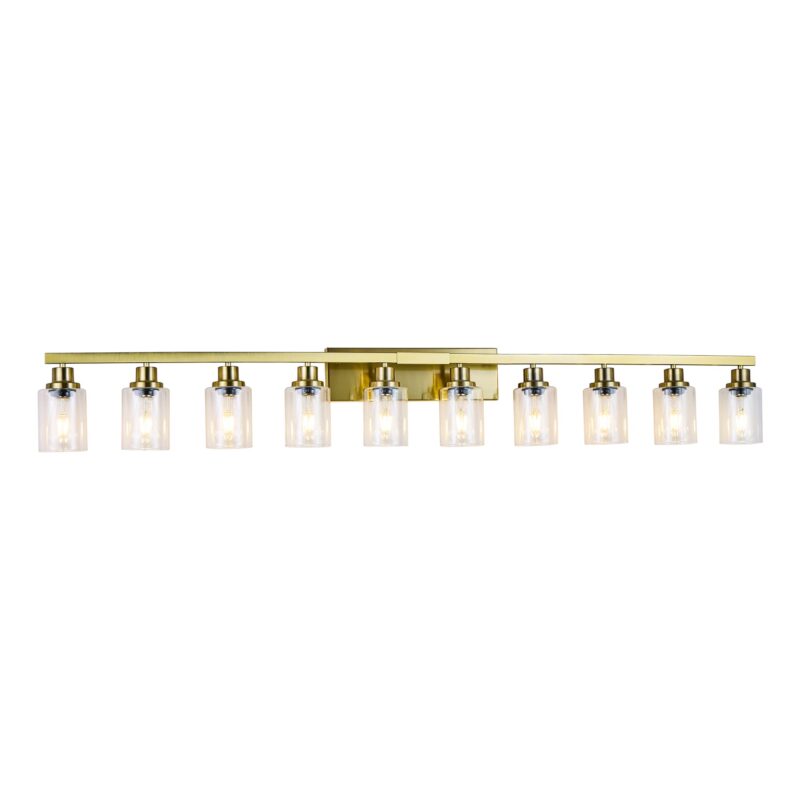
| Bathroom Vanity Lights | G9 Loop or E26 Standard | G25 Spherical Globe | Browse Vanity Lights |
| Ceiling Lights (Flush Mount) | E26 (Standard Medium) | A19 pear shape | Browse Ceiling Lights |
| Pendant Lights | E26 (Standard Medium) | A19 pear or G30 globe | Browse Pendant Lights |
By mapping out these key categories, you can easily match your fixtures with the perfect bulb base sizes. If you are replacing bulbs in high-end, exposed fixtures, always remember to choose bulbs that complement the visual style.
Frequently Asked Questions
1. How do light bulbs work?
Every light bulb converts electrical energy into visible light, but the method differs by technology. Incandescents heat a metal wire until it glows, fluorescents excite gas to make powder glow, and LEDs pass current through computer chip semiconductors.
2. How does an LED bulb produce light?
An LED produces light through an electronic semiconductor process called electroluminescence. When electricity passes through the chip, electrons jump across a small gap to recombine with positively charged holes, releasing light photons directly.
3. Why do incandescent bulbs get hot?
Incandescent bulbs get extremely hot because they rely on thermal wire filaments. About 90% of the electricity they draw is completely wasted as physical heat, with only 10% converted into visible light.
4. Why are LED bulbs more efficient?
LED bulbs are more efficient because they do not rely on heat to create light. They turn almost 90% of the electricity they draw directly into bright white light.
5. What is inside a light bulb?
Inside traditional bulbs, you will find a tungsten wire filament and inert gas. Inside fluorescent tubes is mercury vapor gas. Inside modern LEDs, you will find an electronic driver circuit board, computer chip semiconductors, and a cooling heat sink.
6. Do LED bulbs have filaments?
Traditional LEDs do not have wire filaments. However, modern decorative LED filament bulbs use thin glass tubes lined with microscopic LED chips to mimic the elegant look of traditional burning candle wires.
7. Why don’t LED bulbs burn out as quickly?
LEDs do not burn out quickly because they are solid-state devices with no delicate wire filaments that can snap if bumped. They do not rely on high heat, preventing physical degradation over time.
8. Which light bulb technology is best?
For almost all home uses, LED is the best overall choice. They are highly customizable, incredibly efficient, stay completely cool and safe, and are designed to last for decades.
9. Are fluorescent bulbs still used?
While fluorescent tubes are still common in older commercial office ceilings and garages, they are quickly being replaced by safer, mercury-free, and more efficient LED tube replacements.
10. What is the difference between LED and incandescent technology?
Incandescents heat a delicate tungsten wire filament until it glows white-hot, wasting 90% of its energy. LEDs pass electricity directly through a solid semiconductor chip, producing light cleanly with almost no physical warmth.
Conclusion
As we have explored, mastering the art of home lighting is not merely about choosing the highest wattage or the cheapest box on the shelf. It is about finding the perfect harmony between your light fixture, its base type, its shape, and the color temperature needed for your daily life. When you select an LED bulb with the correct base and shape, you ensure your fixtures work safely and efficiently. When you dial in the ideal lumens and Kelvin color temperature, you transform your rooms from simple, dark spaces into comfortable, cozy, and highly functional environments.
Every gorgeous light fixture—whether it is a grand tiered chandelier hanging in your entryway, a sleek vanity bar over your bathroom mirror, or a delicate accent sconce by your bed—deserves a light bulb that matches its beauty. Having the perfect fixture with the perfect bulb is what truly brings a home to life. As you set out to upgrade your home lighting, remember to take your time, check your codes, and experiment with different warm temperatures to find the perfect look for your space.
Ready to Complete Your Home Lighting Project?
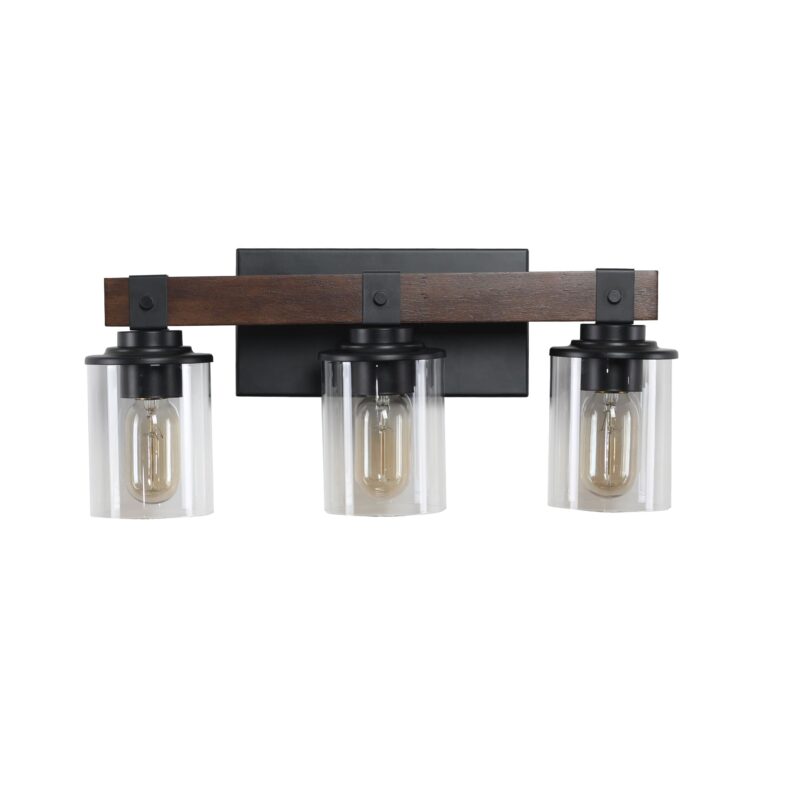
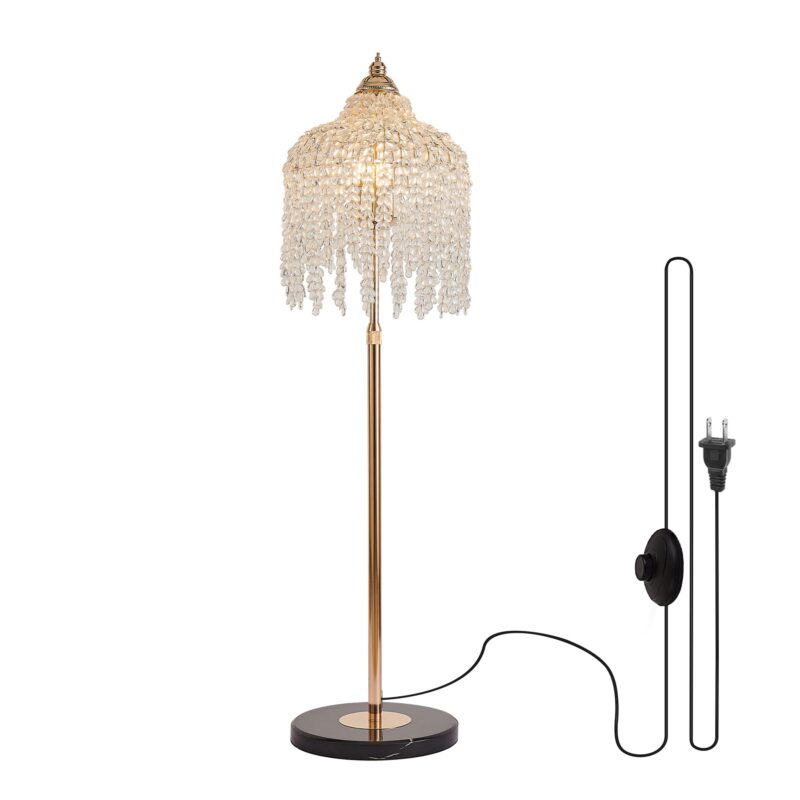
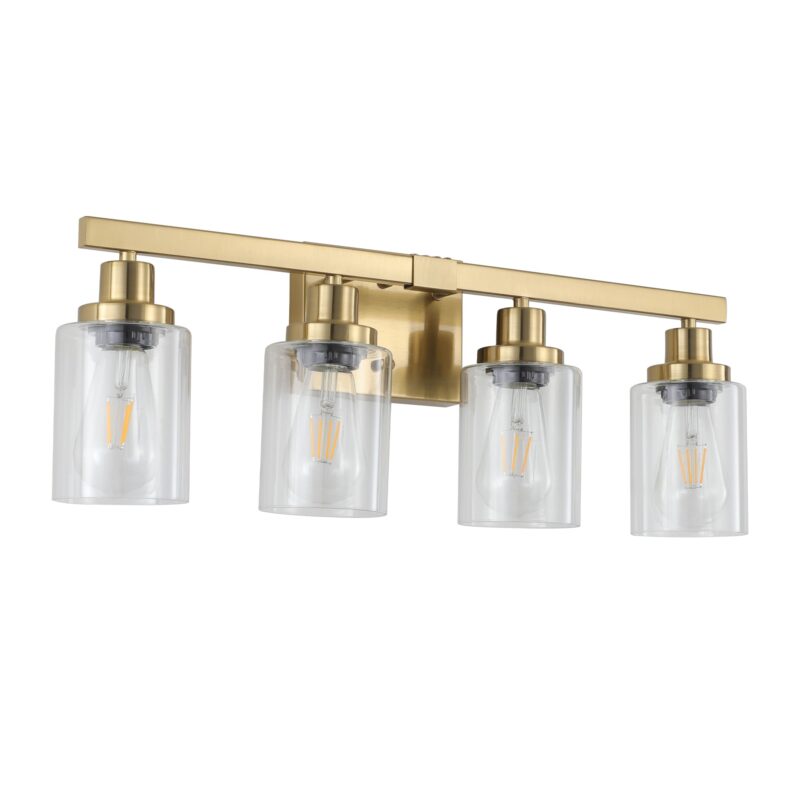
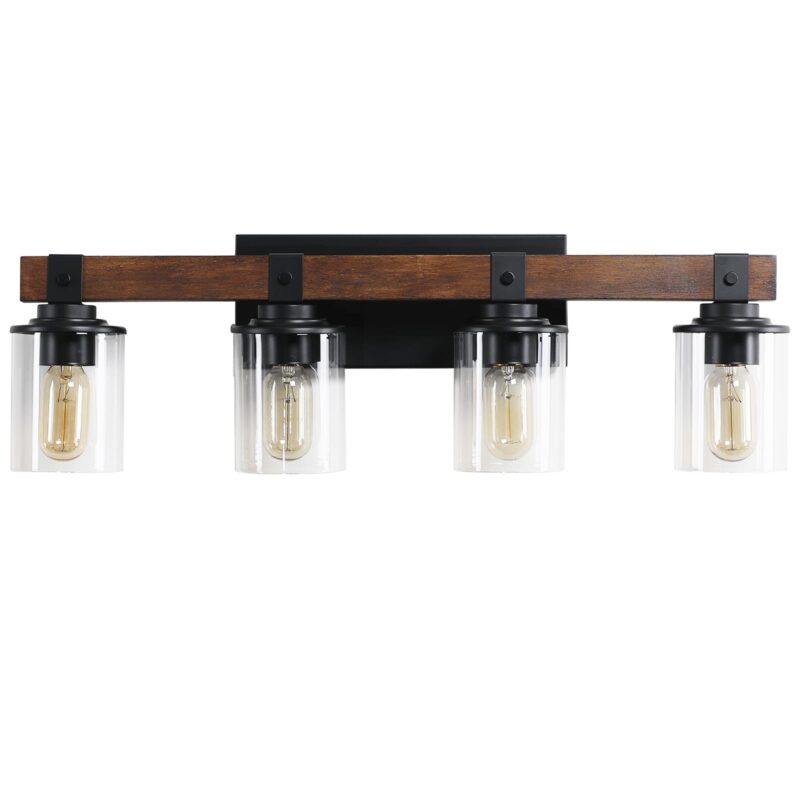
At LightingDepotUSA, we do not simply design the highest-quality modern light fixtures; we build the gorgeous, timeless vessels that bring your favorite standard E26 and E12 energy-efficient LED bulbs to life. From elegant crystal chandeliers and bright bathroom vanity bars, to low-profile flush mounts and durable outdoor lighting, we have everything you need to transform your home into a bright, warm, and comforting sanctuary. Explore our curated collections today to complete your home design project with confidence.

About LightingDepotUSA
The LightingDepotUSA Editorial Team specializes in wholesale lighting trends, showroom strategies, and supply chain solutions tailored for independent retailers across the U.S. With years of experience in both manufacturing and distribution, we provide practical insights to help small businesses grow, reduce costs, and stay competitive.
View all posts by LightingDepotUSA