
How Long Do LED Light Bulbs Last? Lifespan, Factors & Tips to Make Them Last Longer

Imagine this common home scene. You are balanced precariously on a wobbly stepladder, trying to reach a high ceiling flush-mount fixture in your hallway. You are sweating, your arms are shaking, and you are trying desperately to replace yet another burned-out bulb. It feels like you just climbed up here a few months ago. In sheer frustration, you decide to switch to modern LED bulbs. You look at the box, and it proudly promises an unbelievable operating lifespan: “Lasts up to 22 years!” But your logical mind is immediately skeptical. Can a tiny plastic bulb really shine brightly for over two decades? Why do some cheap LEDs die after only a year, while others seem to last forever? And how can you ensure your new bulbs live a long, energy-saving life?
Let us be completely honest with each other. The promise of an incredibly long lifespan is the single biggest reason homeowners switch from traditional bulbs to modern LEDs. But choosing the correct bulb is vital. If you do not understand the technical variables that affect solid-state electronics, you will find yourself wasting money on low-quality bulbs that fail prematurely. This comprehensive guide is here to solve that exact frustration. We will deconstruct the science behind the LED lifespan, explain the difference between rated life and real-world performance, explore the physical hazards like trapped heat, and show you exactly how to maximize the life of the bulbs inside your favorite chandeliers, pendants, and vanities.
By learning how modern bulb lifetime is determined, you can shop with total confidence. You will save yourself annoying return trips to the store, eliminate the hassle of constant bulb changes, and protect your expensive lighting fixtures from damage. Whether you are hunting for an energy-saving led bulb, a series of standard led light bulbs, or a durable led light bulb for your home sanctuary, this article is your ultimate reference guide to how long do LED light bulbs last.
Table of Contents
How Long Does an LED Light Bulb Typically Last?
To start our lighting journey, we should first establish exactly how many hours modern light bulb types can run before requiring a replacement. Sockets and bases are independent of bulb shapes, meaning you can easily buy E12, E26, G9, and GU10 bases as energy-efficient LEDs. But how do their rated lifespans compare in daily household use?Rated Lifespan vs. Real-World Performance
When you read the packaging of any high-quality LED bulb, you will see a rated lifespan listed in hours—typically between 15,000 and 50,000 hours. By contrast, traditional incandescent bulbs typically burn out after a mere 1,000 hours, while halogen bulbs last roughly 2,000 hours. Compact fluorescent lamps (CFLs) sit in the middle, lasting around 10,000 hours. To help you see the difference, let us compare these standard operating lifetimes under typical residential use of three hours per day:Table 1: Lifespan Sizing and Comparison Profiles
| Light Bulb Technology | Average Rated Lifespan | Operating Years (3 Hours/Day) | Replacement Sizing Frequency |
|---|---|---|---|
| Incandescent Bulbs | 750 to 1,500 hours | ~1 Year | Frequent; delicate tungsten wire snaps easily under thermal stress. |
| Halogen Bulbs | 2,000 to 4,000 hours | ~2 Years | Moderate; runs hot, highly sensitive to natural skin oils. |
| Fluorescent (CFL) | 8,000 to 15,000 hours | ~10 Years | Low; fragile glass tube contains mercury, takes time to warm up. |
| LED Bulbs | 25,000 to 50,000 hours | 22 to 45 Years | Exceptional; solid-state semiconductor design, almost never burns out. |
Why Do LED Bulbs Last So Much Longer?
To understand why modern energy efficient light bulbs last so much longer than traditional bulbs, we must look at how they turn electricity into light. Sockets and bases are identical, meaning you can easily buy E12, E26, G9, and GU10 bases as energy-efficient LEDs. But the physical process running inside is completely different.No Fragile Filament (Glowing Wire)
Traditional incandescent and halogen bulbs are built around a thin, delicate wire filament made of tungsten. Every time you flip the switch, electricity runs through this wire, heating it to a blistering 4,500 degrees Fahrenheit. This extreme heat causes the tungsten metal molecules to slowly evaporate over time. Eventually, the wire becomes too thin and snaps, causing the bulb to fail instantly (burn out). LEDs completely do away with this fragile wire. They are solid-state devices with no moving parts or delicate wires to snap, making them highly durable and resistant to knocks or drops.Lower Heat Generation
Because traditional bulbs rely on high heat to create light, they waste up to 90% of their energy purely as physical heat. This extreme warmth degrades the glass shell and metal sockets over time. LEDs produce light through a clean electronic process called electroluminescence. Because they convert almost 90% of the electricity they draw directly into comfortable, visible light, they stay completely cool to the touch. This cool operation places far less physical and thermal stress on the bulb’s internal components, ensuring they last for decades. For more detailed technical specs on solid-state options, check out our guide: Everything You Need to Know About LED Light Bulbs.What Determines an LED Bulb’s Lifespan?
While LED technology is designed to last for decades, real-world performance depends entirely on how the bulb interacts with its environment. Sockets and bases are independent of bulb shapes, meaning you can easily buy E12, E26, G9, and GU10 bases as energy-efficient LEDs. Let us explore the primary variables that dictate an LED bulb’s longevity:Operating Temperature (Heat Management)
Even though LEDs produce cool light, their internal driver and chips still generate heat as they translate electricity. This internal warmth is the single biggest enemy of LED longevity. If the bulb does not have a high-quality aluminum or ceramic heat sink to draw that warmth away safely, the excessive heat will bake the delicate driver board, causing the bulb to dim or fail prematurely.Product Quality
Like any electronic device, not all LEDs are created equal. Cheap, non-certified bulbs often use low-quality computer components and poor phosphor coatings to save manufacturing costs. They might boast “50,000 hours” on the front of the box, but their cheap drivers often burn out within the first year of typical use. High-quality LEDs are engineered with premium driver components and robust cooling sinks to ensure they reach their full rated lifespan.Fixture Design & Sockets
Installing standard LED bulbs inside tightly enclosed glass ceiling domes is a common mistake. If a dome is fully sealed, the heat generated by the bulb’s driver has nowhere to escape. The trapped heat quickly bakes the internal electronics, cutting the bulb’s lifespan in half. Unless an LED bulb is explicitly labeled “enclosed fixture rated” on the box, always use them in open or ventilated fixtures.Table 2: Key Operational Variables Affecting LED Longevity
| Operational Variable | Impact on LED Lifespan | Safe Sizing & Design Guidance |
|---|---|---|
| Enclosed Fixtures | High Risk (Traps heat, cooks driver) | Only use bulbs explicitly labeled “enclosed fixture rated”. |
| Dimming Circuits | Moderate Risk (Flicker degrades driver) | Always ensure bulbs are labeled “dimmable” and use LED dimmers. |
| Voltage Fluctuations | High Risk (Voltage spikes destroy chips) | Ensure your home utilizes surge protectors or stable power circuits |
| Frequent On/Off Cycling | Negligible Risk (Unlike CFLs) | LEDs can be safely used with motion sensors and timers |
Signs That an LED Bulb Is Reaching the End of Its Life
Unlike traditional bulbs that die in a single, sudden flash when their filament wire snaps, LEDs are electronic devices that die slowly. To save yourself from unexpected darkness, look out for these five common signs that your LED is reaching the end of its life:- Gradual Dimming: Over time, the chemical phosphor coating inside the bulb slowly degrades. This causes the light output to dim slightly, although the power draw remains the same.
- Flickering or Strobing: Constant flickering is a clear sign of internal driver failure. The translator chip can no longer supply stable low-voltage direct current to the LED chips, causing them to pulse.
- Color Shifting: If your comfortable Warm White (2700K) bulb suddenly begins to shift toward an unappealing, cold blue or green tone, the phosphor coating has broken down.
- Intermittent Operation: The bulb turns on fine but suddenly turns off after heating up for an hour. This indicates that heat expansion is breaking a weak electrical connection inside.
- Complete Failure: The driver has completely burned out, preventing electricity from reaching the chips.
Do LED Bulbs Burn Out?
Technically speaking, LED bulbs do not burn out in the traditional sense. There is no filament to snap. Instead, they slowly lose brightness over time. This gradual decay of light output is called Lumen Depreciation.The L70 Metric Explained
To measure the lifetime of solid-state lights, the lighting industry uses a standardized benchmark called the L70 Metric. The L70 rating tells you the exact hour mark when the bulb’s brightness will drop to 70% of its original light output. For example, if you buy an LED bulb that produces 800 lumens and is rated for L70 at 25,000 hours, the bulb will not die at that hour. Instead, it means that on its 25,000th hour of operation, the bulb will emit roughly 560 lumens of light ($800 \times 0.7 = 560$). The human eye struggles to notice brightness changes below 30%, making the bulb perfectly usable even after it reaches its rated lifetime. To see how this gradual decay compares to older, traditional bulb technologies, read our detailed comparison: LED vs Incandescent vs Halogen.How to Make LED Bulbs Last Longer
Finding the perfect bulb is simple if you know exactly what specifications to check on the package. When shopping for a replacement, use this simple step-by-step checklist to guarantee you get the perfect fit and light output every single time:Buy High-Quality Products
Always avoid cheap, unbranded LED bulbs. Reputable brands use premium driver components, solid copper paths, and high-efficiency phosphors to ensure their bulbs reach their full rated lifespan. Look for the Energy Star logo on the package.Use the Correct Sockets and Bases
Never assume base compatibility. Medium E26 bases fit standard table lamps, while E12 candelabra bases are designed for small chandelier arms. Modern, compact bathroom vanities often use push-in G9 loops. Always check the safety sticker near the socket. To learn more about standard socket fitments, read our detailed guide: Light Bulb Base Sizes Explained.Think About Dimming Compatibility
If your light fixture is connected to a wall dimmer switch, you must ensure the box explicitly states the bulb is “dimmable”. Installing a non-dimmable LED bulb on a dimmer circuit will cause annoying flickering, loud humming, or premature driver failure. Dimmable LED bulbs save even more money because they consume less power as you dim them. For more dimming support, read our troubleshooting guide: Dimmable LED Bulbs Explained.Are Expensive LED Bulbs Worth It?
When you browse the lighting aisle, you will see standard LED bulbs priced as low as $1.50 each, while premium brand bulbs can cost $5.00 or more. Is paying a higher price really worth it? The short answer is yes, absolutely. While cheap LEDs are fine for closets or unheated basements, you should always choose premium, high-quality LED bulbs for your main living areas. Cheap bulbs save manufacturing costs by using poor driver components. This makes them highly sensitive to voltage surges, causing them to flicker, buzz loudly, or fail completely within the first year. Premium bulbs are engineered with robust electronic protection, better heat sinks, and higher CRI ratings to ensure they last for decades.Table 3: Sockets Sizing Sizing Sizing Sizing Sizing Sizing Sizing Chart
| Performance Feature | Premium LED Bulbs ($5+) | Budget LED Bulbs ($1.50) | Is It Worth Paying More? |
|---|---|---|---|
| LED Driver Quality | Excellent (Smooth, silent dimming) | Poor (Prone to flicker & hum) | Yes; prevents electrical noise in living areas. |
| Heat Sink Construction | Aluminum or ceramic casing | Thin plastic (Traps heat) | Yes; directly protects bulb lifetime. |
| Color Rendering (CRI) | High CRI (90+ or 95+) | Low CRI (75 to 80) | Yes; essential for bathroom vanity mirrors. |
| Warranty Coverage | 3 to 5 Year replacement | None or 1 Year | Yes; provides total buying peace of mind. |
Best Sockets and Sizing for Long-Term Home Fixtures
To help you complete your home decoration projects smoothly, let us map out exactly how to pair standard LED bulbs with different residential fixtures. Sockets and bases are independent of bulb shapes, meaning you can easily buy E12, E26, G9, and GU10 bases as energy-efficient LEDs. Below is our expert matching reference guide:Table 5: Sockets and Bases in Residential Light Fixtures
| Fixture Type | Recommended Bulb Sockets | Best Bulb Shape Choice | Lighting Depot USA Product Categories |
|---|---|---|---|
| Chandeliers | E12 (Candelabra) | B10 / CA10 Candle | Browse Designer Chandeliers |
| Wall Sconces | E12 (Candelabra) | B10 / CA10 / T10 | Browse Wall Sconces |
| Bathroom Vanity Lights | G9 Loop or E26 Standard | G25 Spherical Globe | Browse Vanity Lights |
| Ceiling Lights (Flush Mount) | E26 (Standard Medium) | A19 pear shape | Browse Ceiling Lights |
| Pendant Lights | E26 (Standard Medium) | A19 pear or G30 globe | Browse Pendant Lights |
Frequently Asked Questions
1. How long do LED light bulbs last?
Standard LED bulbs typically outlast traditional lighting technologies by a significant margin. Most are rated to operate for 25,000 to 50,000 hours, which translates into more than 22 years of standard residential use.2. Do LED bulbs really last 25,000 hours?
Yes, but actual lifespan depends on operating conditions. If an LED is installed inside a tightly enclosed ceiling bowl that traps driver heat, its lifespan will be shortened drastically. Buying high-quality, Energy Star-certified bulbs ensures you get the full rated lifespan.3. Why do LED bulbs stop working?
LED bulbs rarely fail because their chips wear out. Instead, they stop working because their internal driver circuit board burns out. Drivers fail due to excessive heat, poor component quality, or voltage surges in your home.4. Can LED bulbs burn out?
No, LEDs do not burn out like standard bulbs. There is no filament to snap Instead, they slowly lose brightness over time. They reach their rated end of life when brightness drops to 70% of the original light output (known as L70).5. Does turning LEDs on and off reduce their lifespan?
No, absolutely not. Unlike fluorescent or CFL bulbs, which degrade quickly if you cycle them frequently, turning LEDs on and off has zero impact on their rated lifetime. They are perfect for motion sensors and timers.6. Do enclosed fixtures shorten LED lifespan?
Yes, absolutely. If an LED bulb is placed inside a tightly sealed ceiling glass dome, the heat generated by the driver has nowhere to escape. Sockets and bases are identical, but trapped heat cooks the electronics. Always look for “enclosed fixture rated” bulbs for these situations.7. Are expensive LED bulbs worth it?
Yes, premium LED bulbs are engineered with robust electronic protection, better aluminum heat sinks, and higher CRI ratings to ensure they last for decades without flickering or buzzing.8. Why are my LED bulbs flickering?
LED flickering or strobing is almost always caused by an incompatibility with your wall dimmer switch. Older dimmers struggle to manage the low wattage draw of modern LEDs. Replacing your old wall switch with an LED-compatible dimmer will typically solve the issue.9. How can I make LED bulbs last longer?
To maximize your bulb’s lifetime, buy high-quality products, use the correct enclosed-rated bulb inside closed glass shades, avoid placing them near heat sources, and install them into clean, stable sockets.10. When should I replace an LED bulb?
You should replace an LED bulb when its light output dims to a level that makes standard tasks difficult, if the bulb begins to flicker constantly, or if it shifts color.Conclusion
As we have explored, mastering the art of home lighting is not merely about choosing the highest wattage or the cheapest box on the shelf. It is about finding the perfect harmony between your light fixture, its base type, its shape, and the color temperature needed for your daily life. When you select an LED bulb with the correct base and shape, you ensure your fixtures work safely and efficiently. When you dial in the ideal lumens and Kelvin color temperature, you transform your rooms from simple, dark spaces into comfortable, cozy, and highly functional environments Every gorgeous light fixture—whether it is a grand tiered chandelier hanging in your entryway, a sleek vanity bar over your bathroom mirror, or a delicate accent sconce by your bed—deserves a light bulb that matches its beauty. Having the perfect fixture with the perfect bulb is what truly brings a home to life. As you set out to upgrade your home lighting, remember to take your time, check your codes, and experiment with different warm temperatures to find the perfect look for your space.Ready to Complete Your Home Lighting Project?
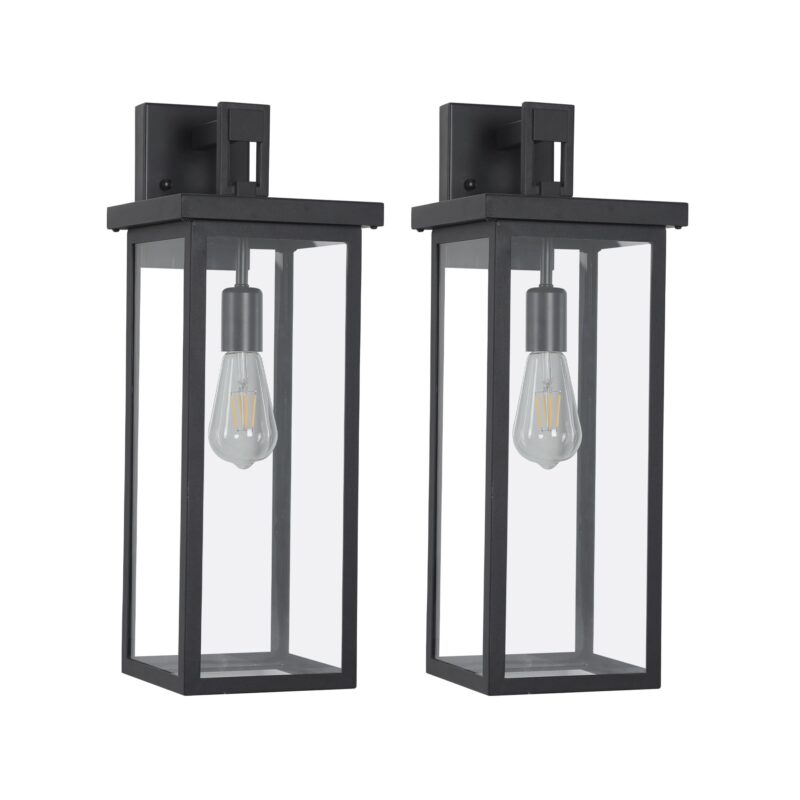
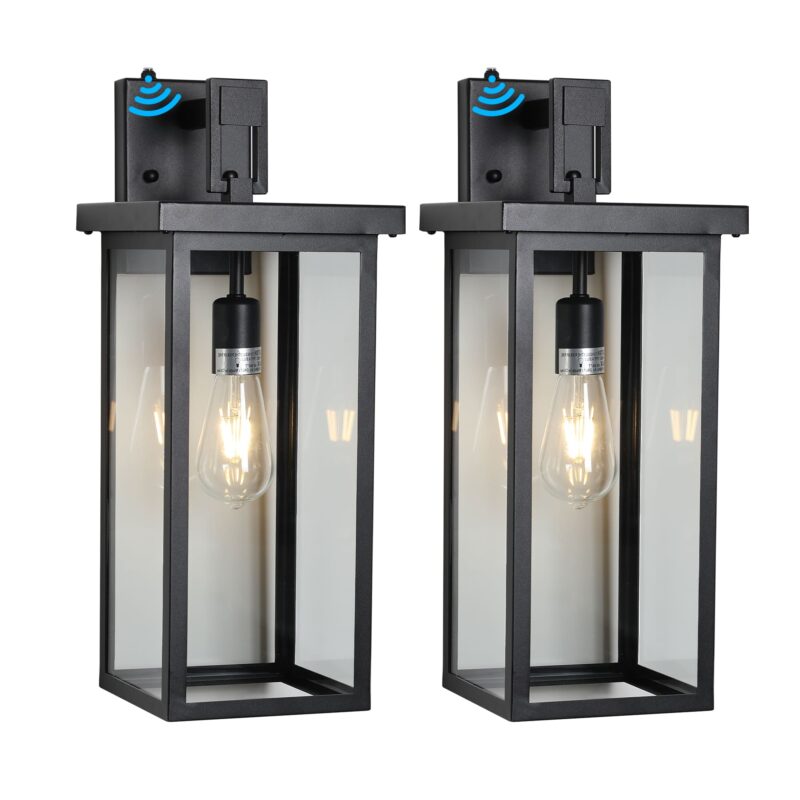
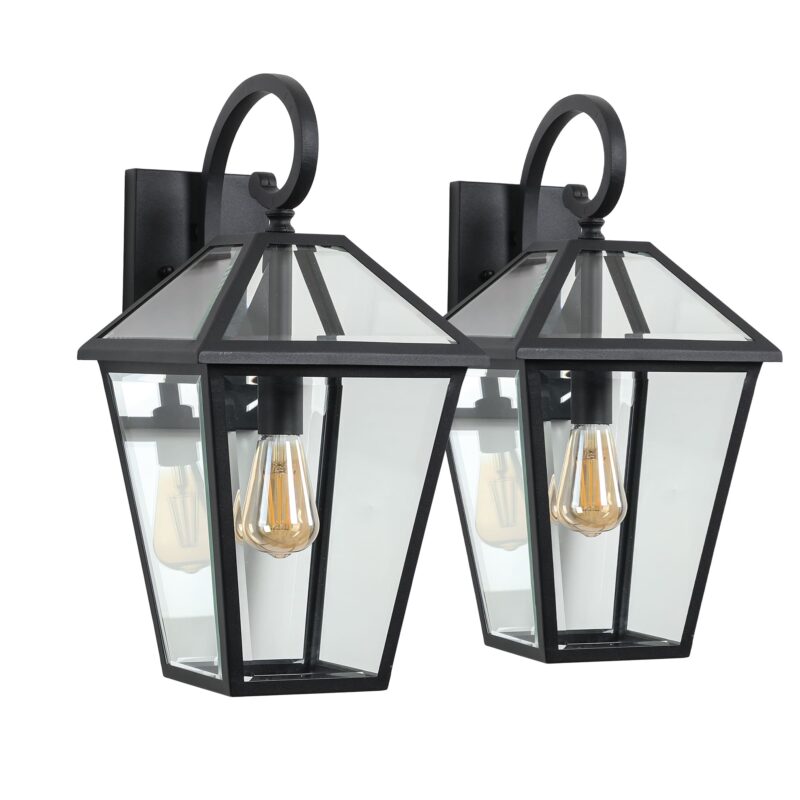
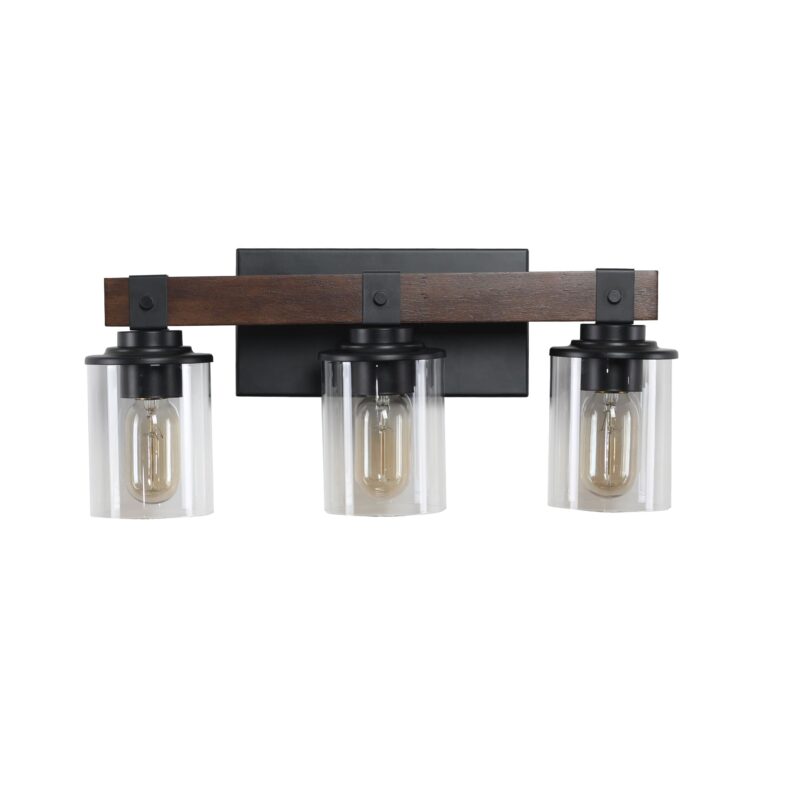
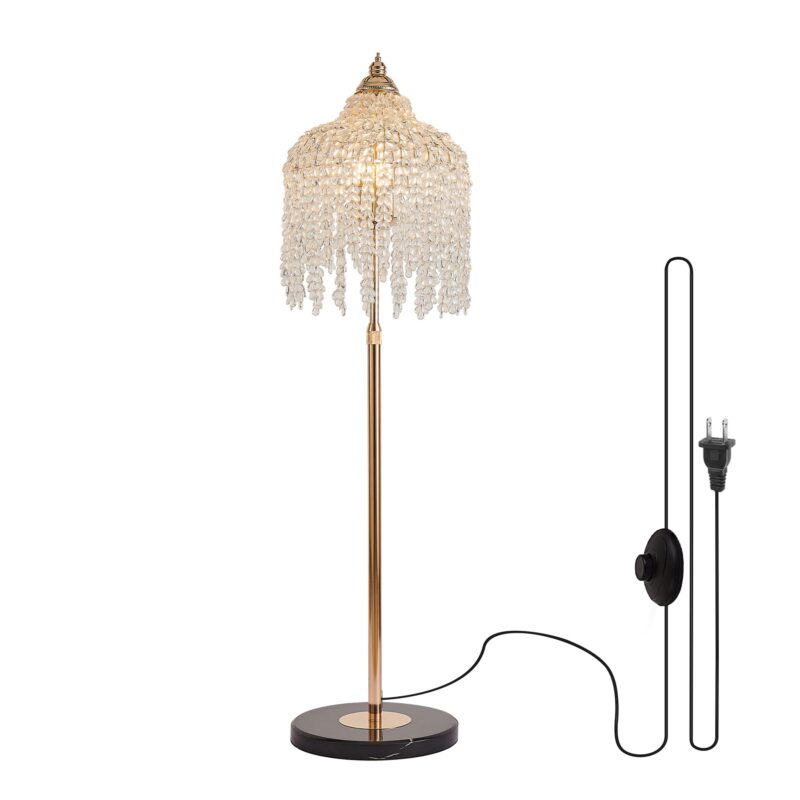
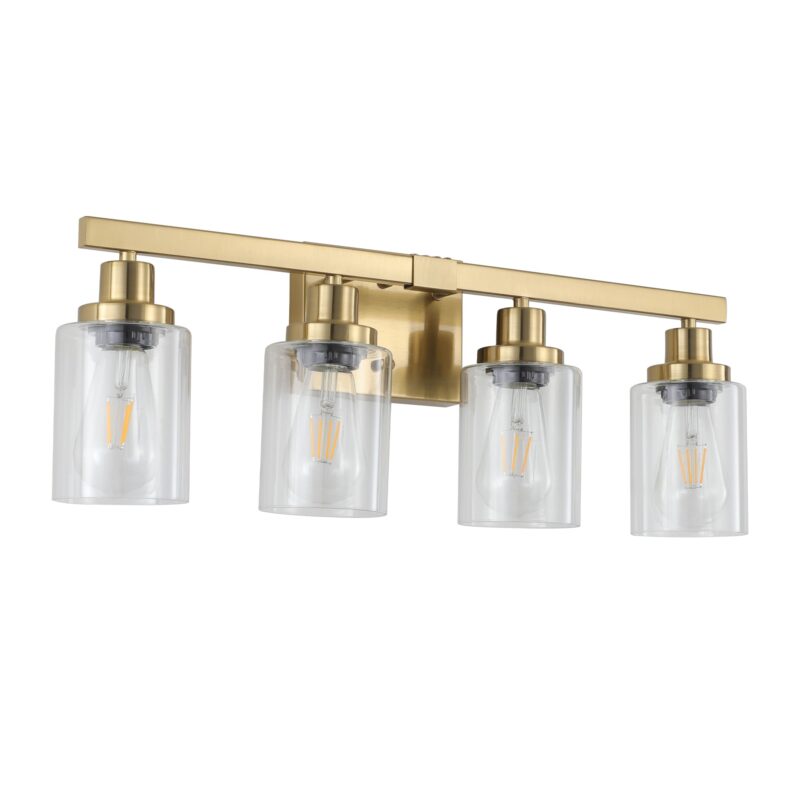
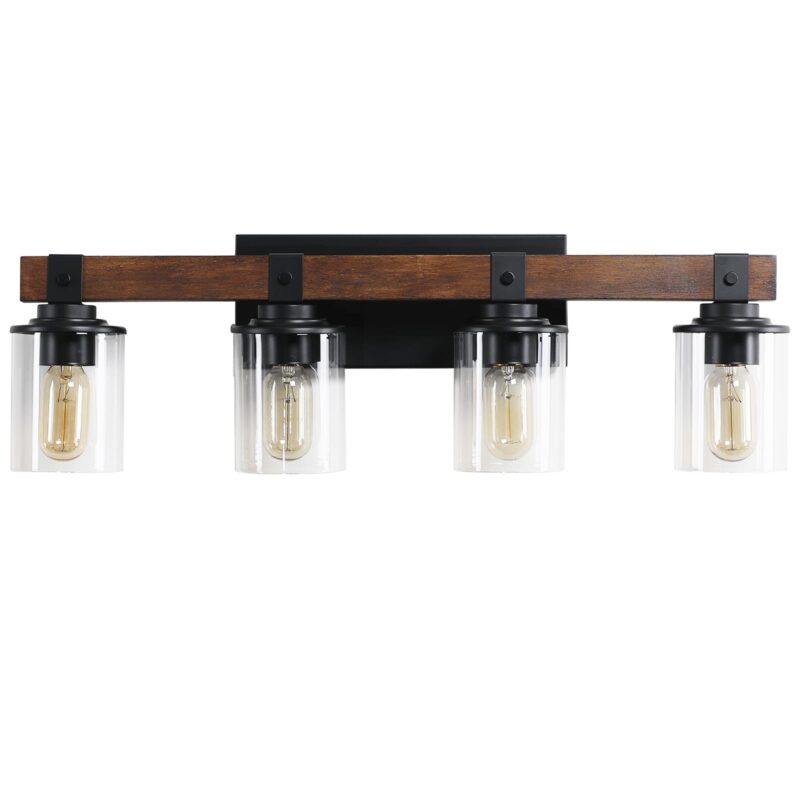
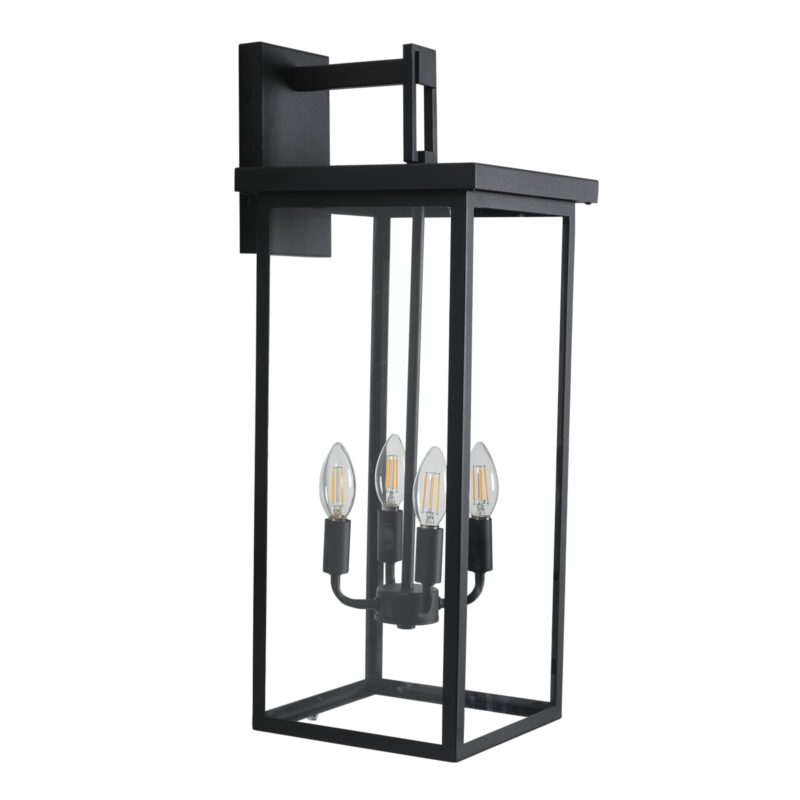
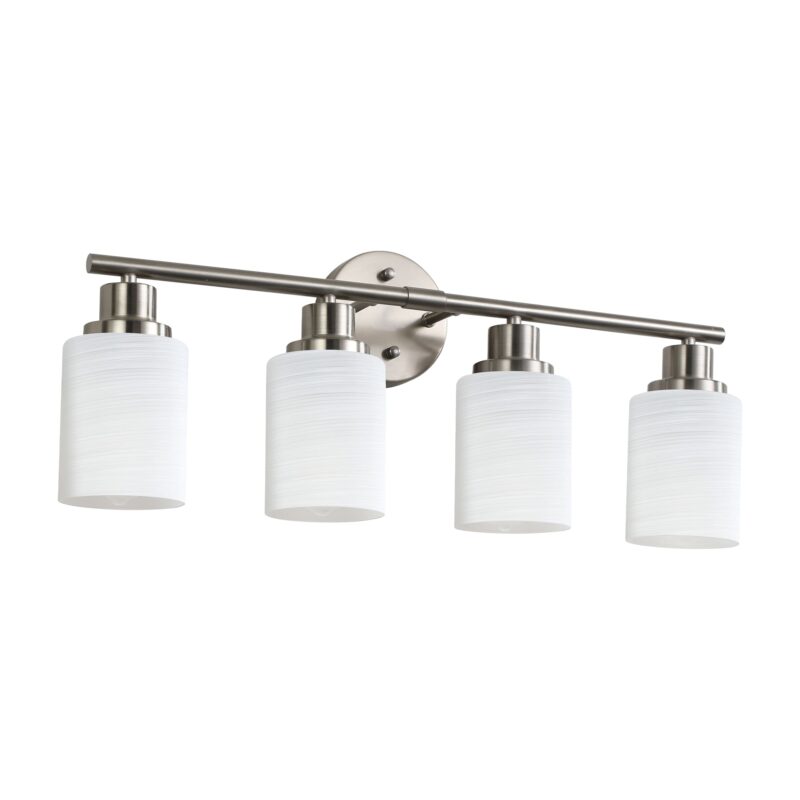
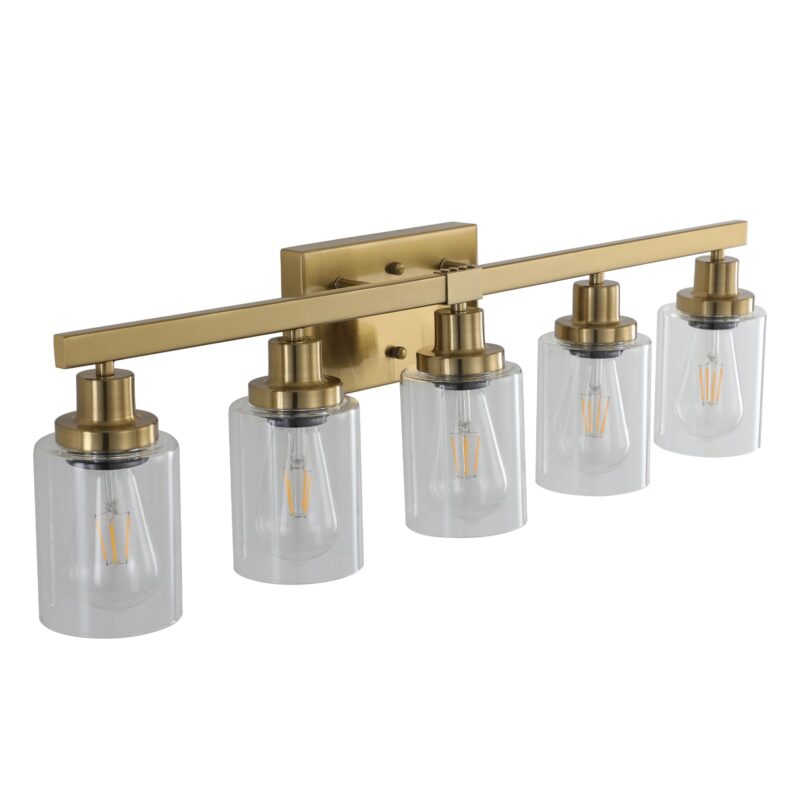
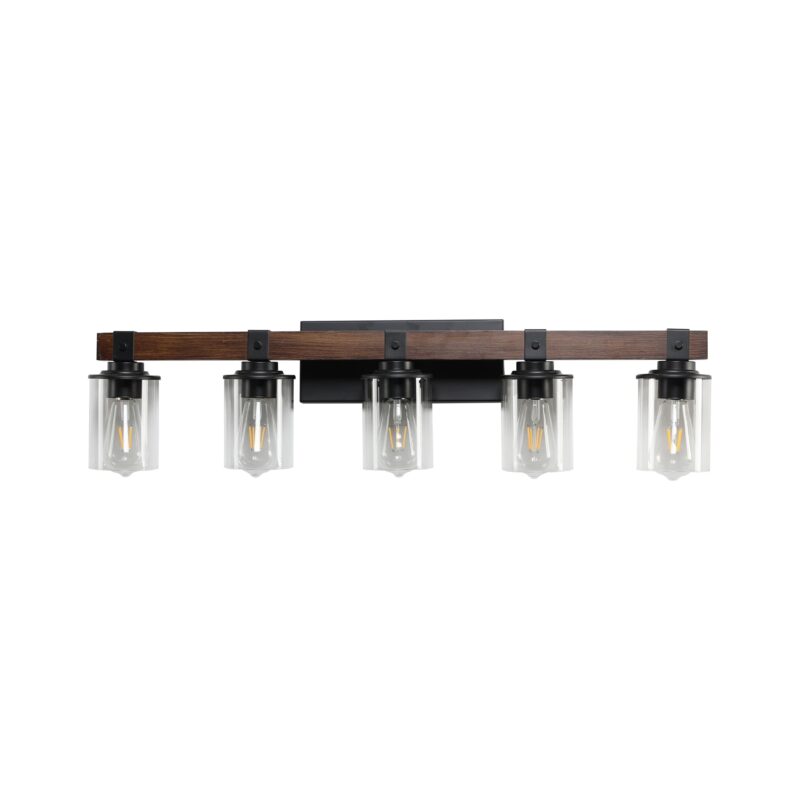
At LightingDepotUSA, we do not simply design the highest-quality modern light fixtures; we build the gorgeous, timeless vessels that bring your favorite standard E26 and E12 energy-efficient LED bulbs to life. From elegant crystal chandeliers and bright bathroom vanity bars, to low-profile flush mounts and durable outdoor lighting, we have everything you need to transform your home into a bright, warm, and comforting sanctuary. Explore our curated collections today to complete your home design project with confidence.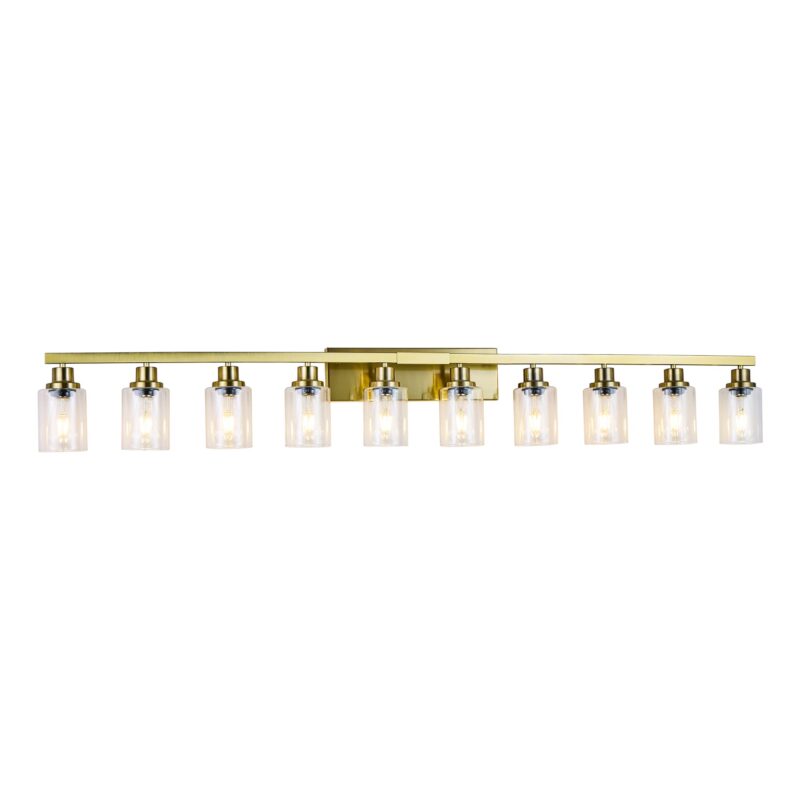

About LightingDepotUSA
The LightingDepotUSA Editorial Team specializes in wholesale lighting trends, showroom strategies, and supply chain solutions tailored for independent retailers across the U.S. With years of experience in both manufacturing and distribution, we provide practical insights to help small businesses grow, reduce costs, and stay competitive.
View all posts by LightingDepotUSA