The Foundation: Mastering the 3 Core Rules of Foyer Lighting
Every great foyer lighting plan is built on a foundation of three simple, non-negotiable rules. These time-tested principles of proportion and placement are what separate a professionally designed space from an amateur one. Let’s master them first.
Rule #1: How Do I Calculate the Right Diameter for My Foyer Light?
The diameter, or width, of your light fixture is the most important factor in achieving proper scale. A fixture that is too small will get lost, while one that is too large can feel oppressive. Luckily, there’s a simple formula to get you in the perfect range.
The Foundational Room Dimension Formula
Room Length (in feet) + Room Width (in feet) = Ideal Chandelier Diameter (in inches)
For example, if you have a foyer that is 10 feet wide by 12 feet long, you simply add those two numbers together: 10 + 12 = 22. This means a chandelier with a diameter of approximately 22 inches will look perfectly scaled to the space.
The Critical Exception: Adjusting for a Two-Story Foyer
This simple formula is a perfect starting point, but it must be adjusted for vertical space. A grand, two-story foyer has a massive amount of visual volume to fill. The basic formula will almost always yield a result that looks undersized. As a general rule, for a two-story foyer, you should consider a fixture that is at least 30-50% larger in diameter than what the basic formula suggests. For that 10′ x 12′ foyer, if it has an 18-foot ceiling, you should be looking at fixtures in the 30″ to 34″ diameter range.
Rule #2: How High Should I Hang My Foyer Light? The Rules of Clearance
Hanging height is critical for both aesthetics and safety. The rules change dramatically based on your ceiling height.
For a Standard, Single-Story Foyer (8-10 ft Ceilings)
The Golden Rule: The bottom of the fixture must hang at least 7 feet from the floor.
This is a non-negotiable safety and comfort rule. It ensures that even your tallest guests can walk comfortably underneath without the risk of bumping their heads. This standard is recommended by the Illuminating Engineering Society (IES) and is a universal best practice.
For a Grand, Two-Story Foyer (12+ ft Ceilings)
In a tall, open space, the rules of headroom become less important, and the rules of visual balance take over. Here, your primary reference point is the second floor.
The Second-Story Rule: The bottom of the chandelier should typically hang so that it is level with, or slightly above, the second-floor landing.
This ensures the fixture serves as a beautiful focal point from both the ground floor looking up and the second floor looking across or down. It connects the two levels and makes the fixture feel integrated with the architecture.
Rule #3: How Bright Should My Foyer Be? Calculating the Right Lumens
A foyer should feel bright and welcoming, not like a dim cave or a sterile operating room. You can calculate the right amount of light, measured in lumens, with a simple formula.
Foyer Square Footage x 20 = Recommended Total Lumens
For that 10-foot by 12-foot foyer (120 square feet), you would need approximately 120 x 20 = 2,400 lumens for good, welcoming ambient light. This is roughly equivalent to two 100-watt traditional bulbs. Always check the “Lumen Output” on the light bulb box to ensure you’re getting the brightness you need.
The Foyer Archetypes: A Deep Dive into Specific Scenarios
Now that we have the core rules, let’s apply them to the most common types of foyers. Each architectural style presents its own unique challenges and opportunities for creating a stunning first impression.
How Do I Light a Grand, Two-Story Foyer? The Art of Vertical Space
A two-story foyer is a gift. It’s an opportunity to make a truly dramatic statement. But it requires a bold approach.
- Scale and Verticality are Everything: In a tall space, the fixture’s own height is just as important as its width. A short, “pancake” style fixture, no matter how wide, will look awkward. Look for multi-tiered chandeliers or long, cascading pendants that have a significant vertical presence to fill the volume.
- The Second-Story Window Rule: If you are lucky enough to have a large window above your front door, this is a golden design opportunity. The chandelier should be perfectly centered in this window. At night, it will glow like a jewel from the outside, creating spectacular curb appeal.
- Best Fixture Types: Multi-tier chandeliers are the classic, can’t-miss choice. For a more modern look, consider a sculptural “Rainer” or cascading cluster pendant. Large lanterns also work beautifully for a more transitional or modern farmhouse aesthetic.
How Do I Light a Standard, Low-Ceiling Foyer (Under 9 feet)?
The challenge here is to add style and impact without sacrificing precious headroom. The 7-foot clearance rule is your primary guide.
- The Hero Fixture: Semi-Flush Mounts. These are the perfect solution. They hang just a few inches down from the ceiling, offering far more style and decorative presence than a basic flush mount, but without becoming a head-bumping hazard.
- The Up-Lighting Trick: To make a low ceiling feel higher, choose a fixture that casts some of its light *upward*. This washes the ceiling with a soft glow, creating an illusion of height and openness. Many semi-flush mounts are designed to do this beautifully.
How Do I Light a Small or Narrow Foyer?
In a compact space, the goal is to provide beautiful illumination without creating physical or visual clutter. A large, wide fixture can make a narrow entryway feel even more cramped.
- The Single Pendant: A single, elegant pendant with a smaller diameter (12-18 inches) can serve as a perfect, jewel-like focal point.
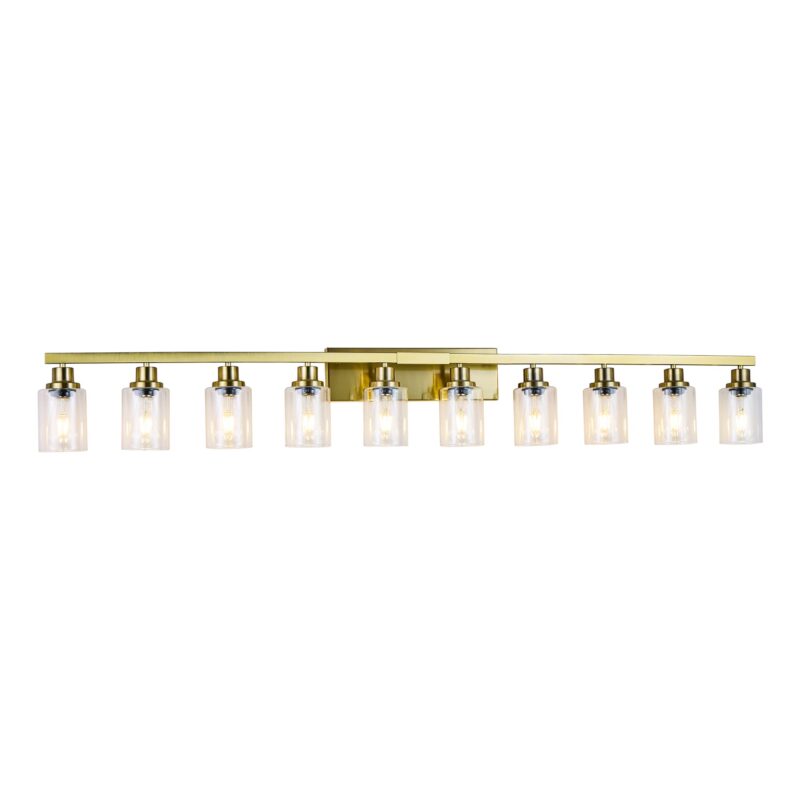
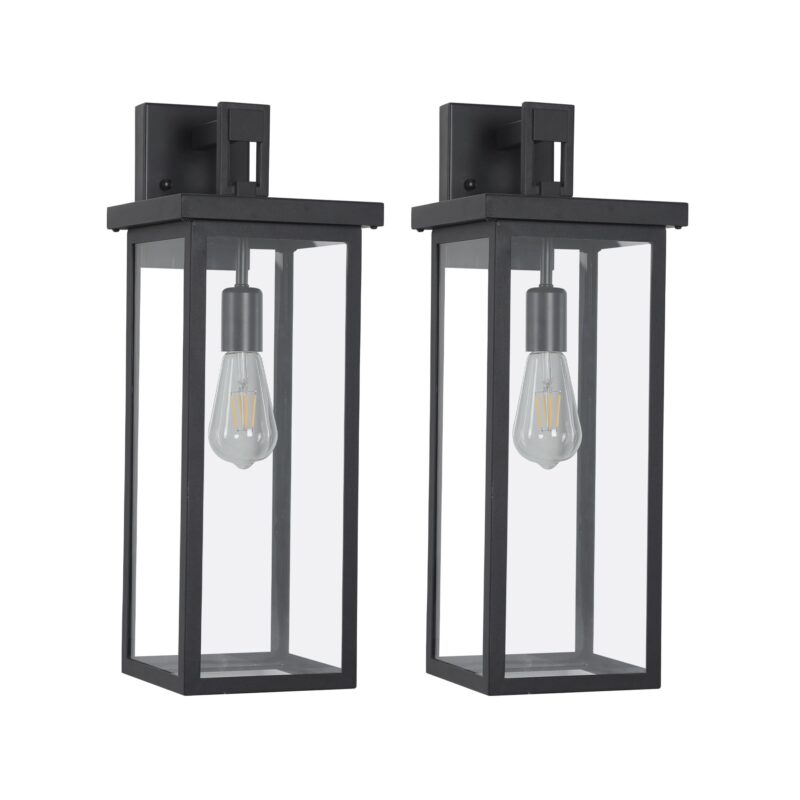
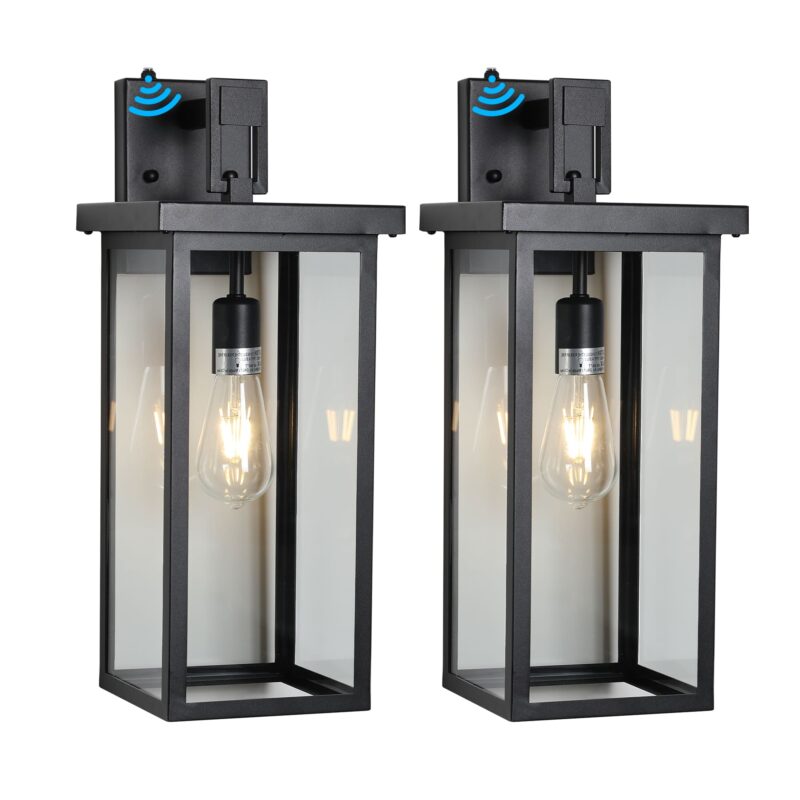
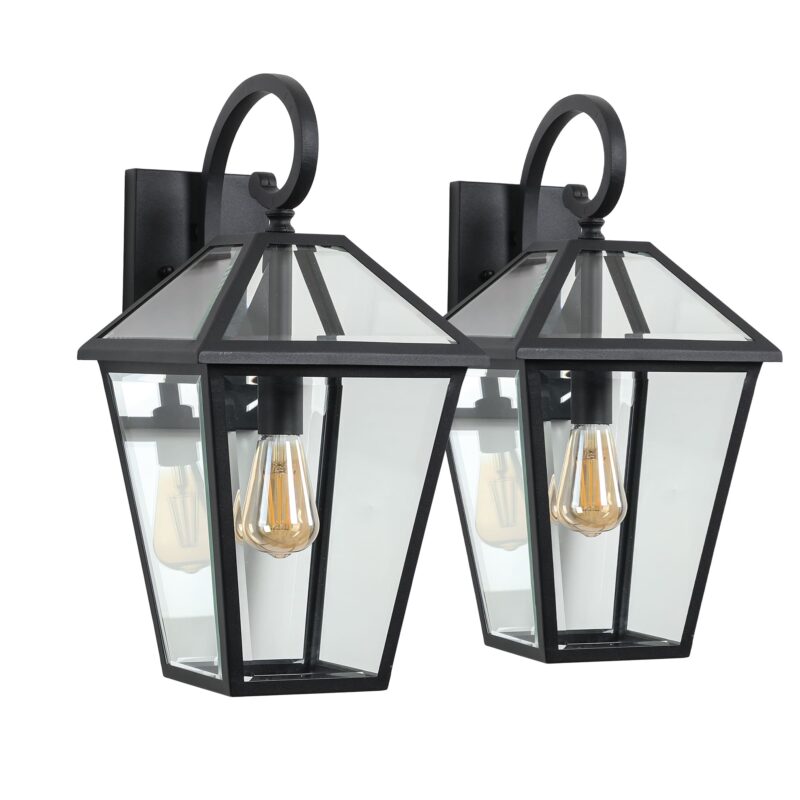
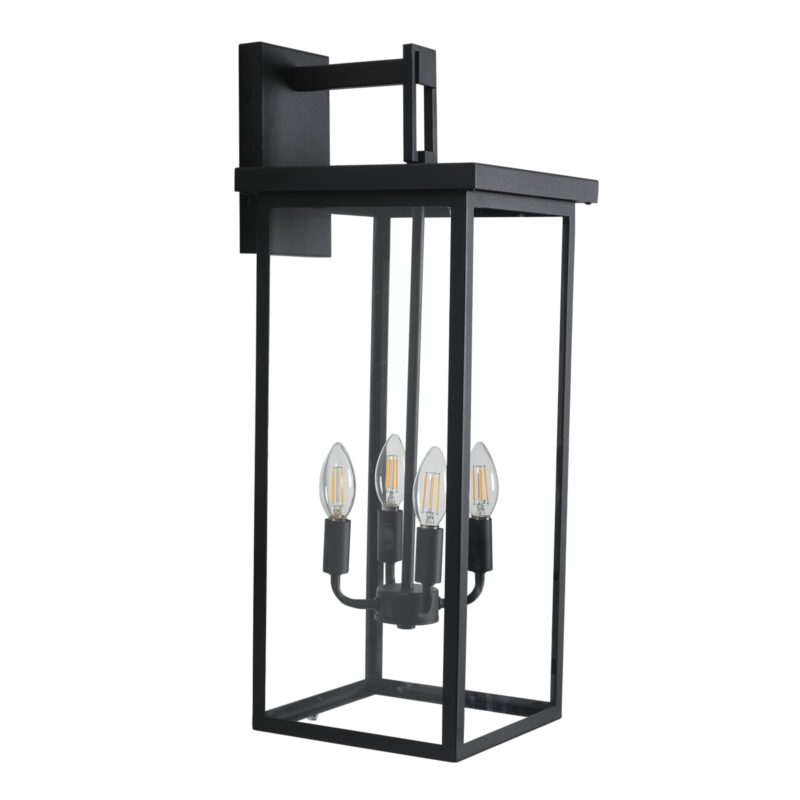
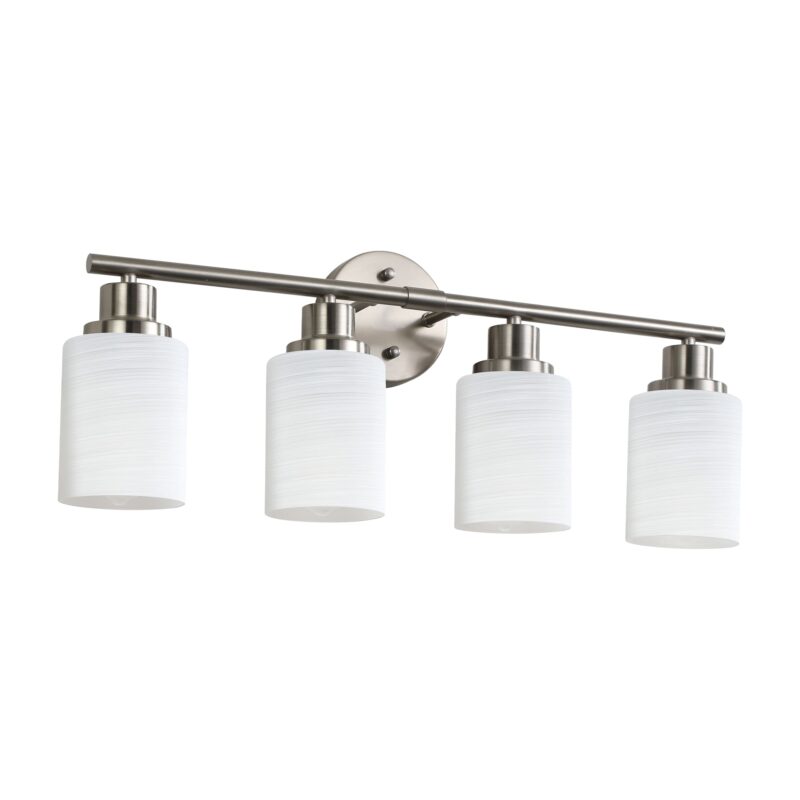
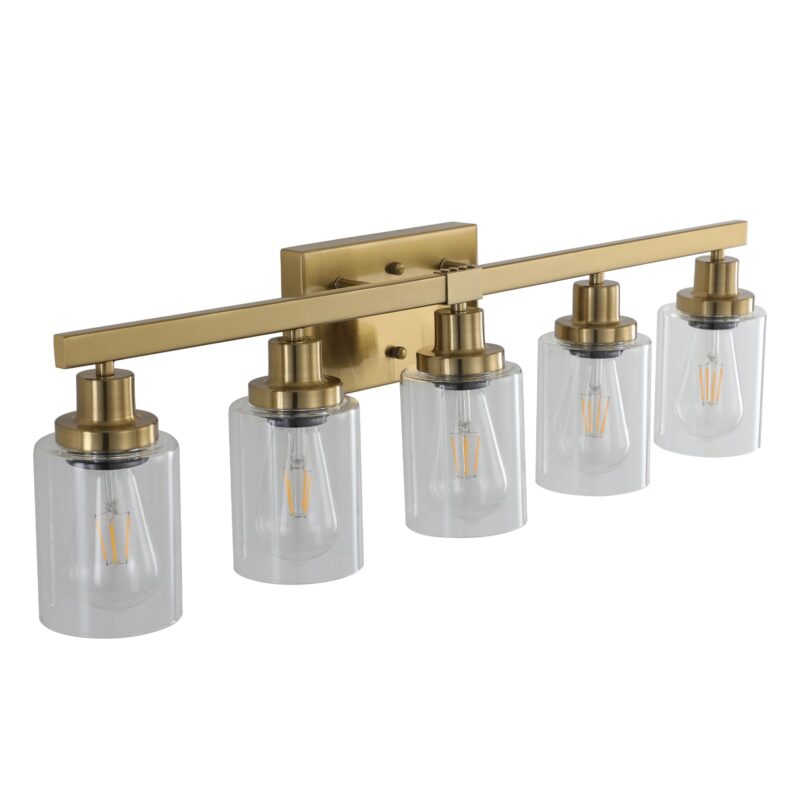
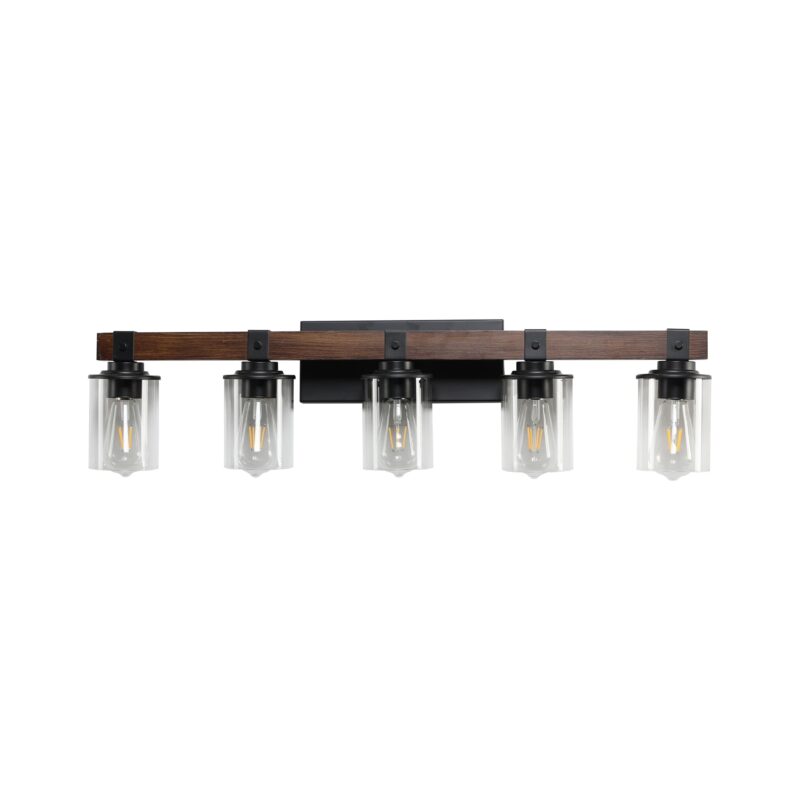
- Wall Sconces: The Smartest Solution. Often, the best approach is to skip the ceiling fixture entirely. A pair of stylish wall sconces flanking the doorway or a large mirror provides beautiful, layered light without taking up any central space.
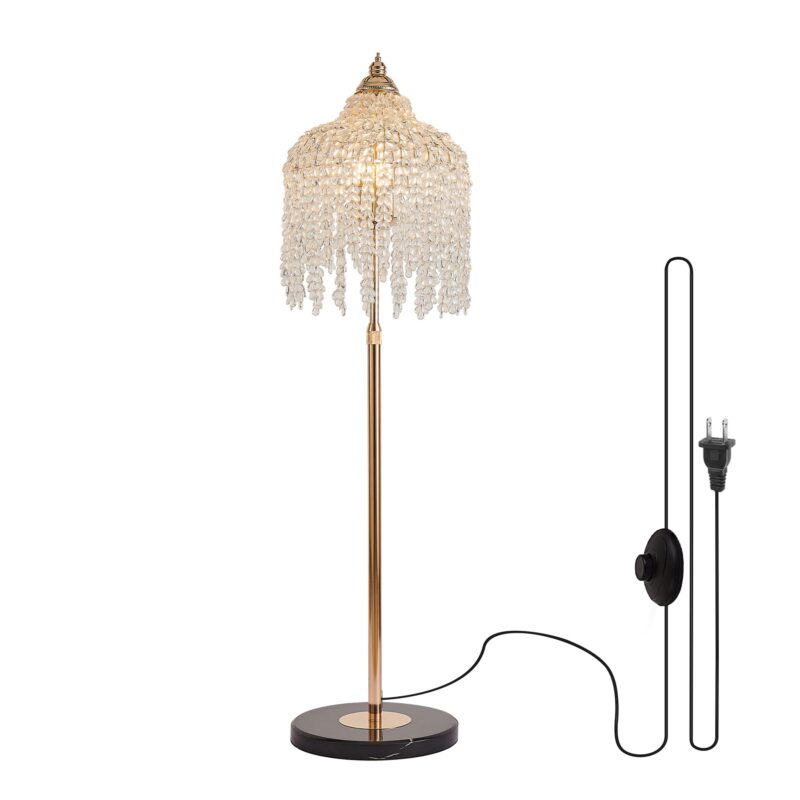
- The Statement Table Lamp: If your foyer includes a small console table, a beautiful and sculptural table lamp can act as both the primary light source and the main decorative element, creating a warm and welcoming vignette.
The Fixture Catalog: A Deep Dive into Foyer Lighting Types
The term “foyer light” can mean many things. Understanding the different categories of fixtures will help you narrow down your search and find the perfect style for your home’s personality.
| Fixture Type | Primary Use / Best For | Common Styles |
|---|
| Chandeliers | Making a grand, formal statement in medium to large foyers with adequate ceiling height. | Traditional Crystal, Modern Sputnik, Farmhouse Wagon Wheel. |
| Pendant Lights | A versatile choice for almost any foyer, especially modern and transitional styles. Great for smaller spaces. | Single Globe, Cluster, Lantern, Drum Shade. |
| Semi-Flush Mounts | The ideal solution for foyers with low ceilings (under 9 feet) to add style without sacrificing headroom. | Decorative Drum, Geometric, Modern Bowl. |
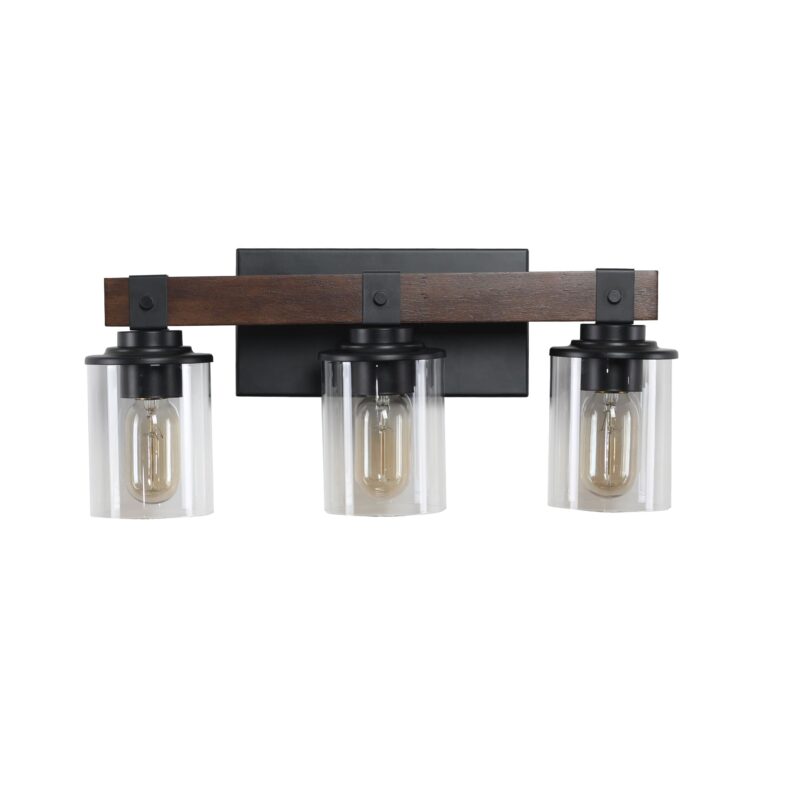
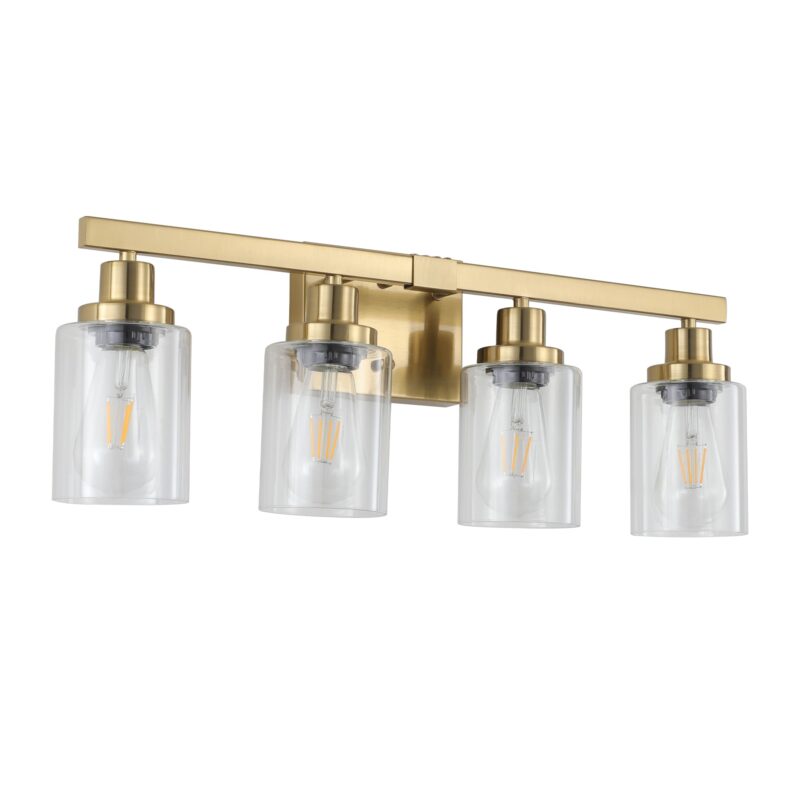
| Wall Sconces | Adding a layer of ambient light, highlighting artwork, and lighting narrow entryways. | Candle Style, Modern LED, Swing Arm, Picture Light. |
| Recessed Lights | Providing clean, general illumination or “wall washing” a feature wall. Best used in combination with a decorative fixture. | Downlight, Wall Washer, Gimbal (Adjustable). |
The Art of Layering Light in Your Foyer
Professional designers know that a single light source is rarely enough. A truly beautiful and functional space is created by “layering” different types of light together to create depth, warmth, and flexibility.
“A single overhead light can feel flat and create harsh shadows. A layered scheme makes a room come alive.”
The 3 Layers of a Perfectly Lit Foyer
Think of your lighting plan as having three distinct components:
- The Ambient Layer: This is the main, overall light source, typically your central ceiling fixture (chandelier or semi-flush mount). Its job is to provide comfortable, general illumination.
- The Accent Layer: This is directional light used to create visual interest. This is where wall sconces shining on a beautiful piece of art or recessed lights “washing” a textured stone wall come into play.
- The Task Layer: This is focused, functional light for specific activities. In a foyer, this is almost always a stylish table lamp on a console table, providing a convenient and well-lit spot to drop your keys or sort mail.
The Finishing Touches: Style, Bulbs, and Dimmers
You’ve mastered the science of sizing and placement. Now for the fun part: the final details that will bring your vision to life and make your foyer truly shine.
How Do I Match My Foyer Light to My Home’s Style?
Your foyer light is a preview of what’s to come. It should feel like a natural extension of your home’s overall design aesthetic.
| If Your Home’s Style Is… | Look For a Foyer Light That Is… |
|---|
| Traditional / Classic | Ornate, with crystal or candle elements and a classic finish like brass or bronze. |
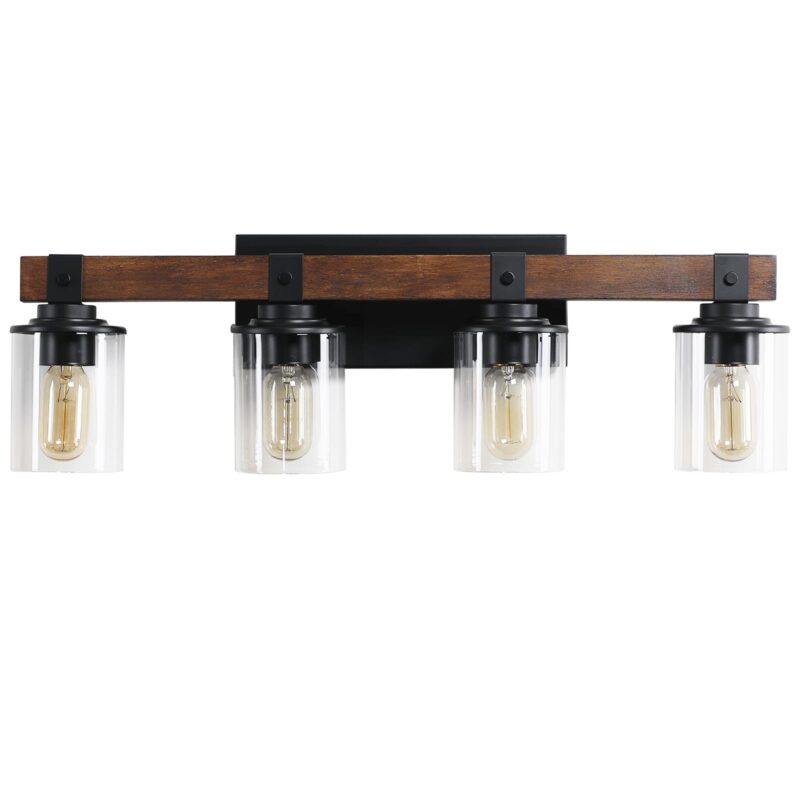
| Modern Farmhouse | Rustic and sturdy, featuring materials like dark metal, wood, and simple glass shades. Think wagon wheels or large lanterns. |
| Modern / Contemporary | Sculptural and bold, with clean lines, geometric shapes, and finishes like matte black or polished nickel. |
| Transitional | A clean and updated classic. Look for simple drum pendants or streamlined lanterns that blend old and new. |
What is the Best Light Bulb for a Foyer?
The light bulb you choose has a huge impact on the final mood. For an entryway, the goal is always to be warm and welcoming.
- The Perfect Color Temperature: Strongly consider a 2700K Warm White bulb. This color temperature emits a soft, inviting, golden glow that is incredibly welcoming and flattering. It mimics the beautiful light of the “golden hour” just before sunset. Avoid anything cooler than 3000K, as it can feel cold and clinical in an entryway.
- Don’t Forget Dimmers! A dimmer switch is a non-negotiable for a foyer. It’s the key to versatility. You can have bright, beautiful light when guests are arriving for a party, and a soft, gentle, welcoming glow for the rest of the evening.
Conclusion: Your Foyer: The First Impression, The Lasting Welcome
Your foyer lighting is so much more than a utility. It’s the first and last light you and your guests experience in your home. It has the power to create a dramatic statement, offer a warm embrace, and set the tone for your entire design story. By moving beyond guesswork and applying these simple, proven principles of sizing, placement, and layering, you can choose a fixture with absolute confidence.
Frequently Asked Questions (FAQs)
Can my foyer chandelier be too big?
While technically possible, most homeowners make the opposite mistake and choose a fixture that is too small. A fixture is only truly “too big” if it violates practical clearances (hanging below 7 feet in a walkway) or looks visually cramped. In a two-story foyer, what feels huge in the box will often look perfectly scaled once it’s hung in the vast vertical space.
Should the foyer light match the dining room light?
They don’t need to be from the exact same product family, but they should feel stylistically related. A good approach is to ensure they share a common element, whether it’s the finish (e.g., both are matte black), a material (e.g., both use natural wood accents), or the general design era (e.g., both are Mid-Century Modern). This creates a cohesive and intentional design flow through your home.
What is the best light bulb for a crystal chandelier in a foyer?
For any crystal chandelier, you should always choose a clear bulb, not a frosted one. A clear bulb allows the light to pass directly through the crystals, creating the beautiful sparkle, refraction, and rainbow effects that you want. A frosted bulb will produce a flat, dull light that kills the magic. Stick to a warm 2700K color temperature for a classic, inviting glow.
My foyer is very dark. Should I just get the brightest light possible?
Not necessarily. A single, overly bright “glare bomb” in the center of the ceiling can feel harsh and unwelcoming. A far better solution is to use a layered lighting approach. Use a moderately bright central fixture (on a dimmer) for your general ambient light, and then add additional layers with wall sconces or a table lamp to brighten the corners and create a more balanced, evenly, and pleasantly lit space.
Do I need an electrician to install a foyer light?
Yes, absolutely. For your safety, to ensure the fixture is installed correctly and securely, and to make sure the installation is up to local electrical codes, you should always hire a licensed electrician. This is especially true for heavy chandeliers or fixtures in two-story foyers, which may require special scaffolding and additional structural support in the ceiling.
How do I choose a light for a long, narrow hallway-style entryway?
For a long, narrow entryway, a single central fixture can leave the ends feeling dark. You have two great options. First, you can use a series of two or three smaller, matching semi-flush mounts or pendants spaced about 8-10 feet apart down the center of the hall. Second, and often more effectively, you can use a series of wall sconces along one or both walls to provide a beautiful, rhythmic, and even layer of light that makes the space feel wider.