How to Choose the Right Light Bulbs for Your Home: The Ultimate Guide to Wattage, Lumens, and Color

Part 1: Understanding the New Language of Lighting
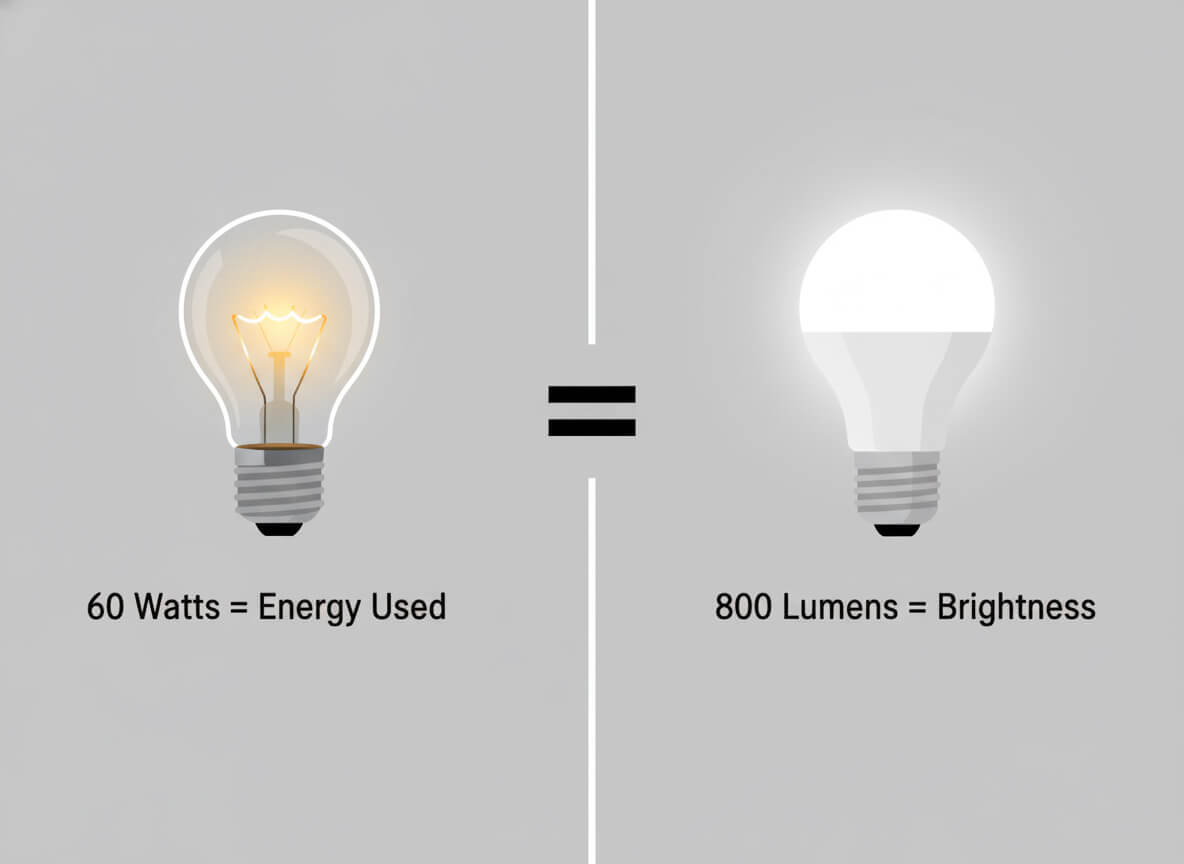
For decades, we bought light bulbs based on watts. If you wanted a brighter light, you bought a higher wattage bulb. But here is the secret that changed everything: Watts never actually measured brightness. They measured energy. They told you how much electricity the bulb gobbled up to create light.
Today, with energy-efficient technology, we have moved to a new standard. To be a smart shopper, you need to learn three key terms: Lumens, Kelvin, and CRI. Don’t worry, it’s easier than it sounds.
1.1 Wattage vs. Lumens: The Brightness Shift
Think of it like buying a car. You don’t ask how many gallons of gas it burns to go fast; you ask about the horsepower. In lighting, Lumens are the horsepower. Lumens measure the actual amount of visible light a bulb produces. The higher the lumen count, the brighter the bulb.
Because modern bulbs are so efficient, they use very few watts to create a lot of lumens. This is why you can’t shop by watts anymore. An 8-watt LED can be just as bright as an old 60-watt incandescent bulb. To help you translate the old math to the new math, use this simple cheat sheet:
| Old Incandescent Wattage | Brightness in Lumens | Modern LED Wattage |
|---|---|---|
| 40 Watts | 450 Lumens | 6 – 9 Watts |
| 60 Watts | 800 Lumens | 8 – 12 Watts |
| 75 Watts | 1100 Lumens | 9 – 13 Watts |
| 100 Watts | 1600 Lumens | 16 – 20 Watts |
| 150 Watts | 2600 Lumens | 25 – 28 Watts |
1.2 Color Temperature (Kelvin): Setting the Mood
Have you ever bought a bulb, screwed it in, and felt like you were suddenly in a dentist’s office? That happened because you picked the wrong Color Temperature. This is measured in a unit called Kelvin (K).
The Kelvin scale tells you the “color” of the white light. It ranges from warm (yellow/orange) to cool (blue/white). Here is how to read the numbers on the box:
- 2700K (Soft White): This is the classic, warm yellow glow we are used to. It mimics the old incandescent bulbs. It feels cozy, intimate, and relaxing. It is perfect for living rooms and bedrooms.
- 3000K (Warm White): Slightly cleaner and whiter than Soft White, but still warm. It’s great for creating a welcoming atmosphere without being too yellow.
- 4000K (Cool White / Bright White): This is a neutral white light. It feels energetic and clean. It is often used in kitchens, bathrooms, and workspaces where you need to see details clearly.
- 5000K – 6500K (Daylight): This light has a bluish tint, similar to the sun at noon. It provides high contrast and is excellent for reading or intricate hobbies, but it can feel harsh and cold if used in a relaxing space like a family room.
1.3 The Color Rendering Index (CRI)
This is a metric that few people know about, but it makes a huge difference in how your home looks. CRI measures how accurately a light source reveals the true colors of objects compared to natural sunlight. It is scored on a scale of 0 to 100.
If you have ever put on socks that looked black in your bedroom but turned out to be navy blue when you got outside, you were a victim of low CRI. For most areas of your home, look for a CRI of 80 or higher. However, for areas where color really matters—like your bathroom vanity (for makeup) or your kitchen (for food preparation)—try to find bulbs with a CRI of 90 or above. It makes colors pop and skin tones look natural.
Part 2: Deep Dive into Light Bulb Technologies
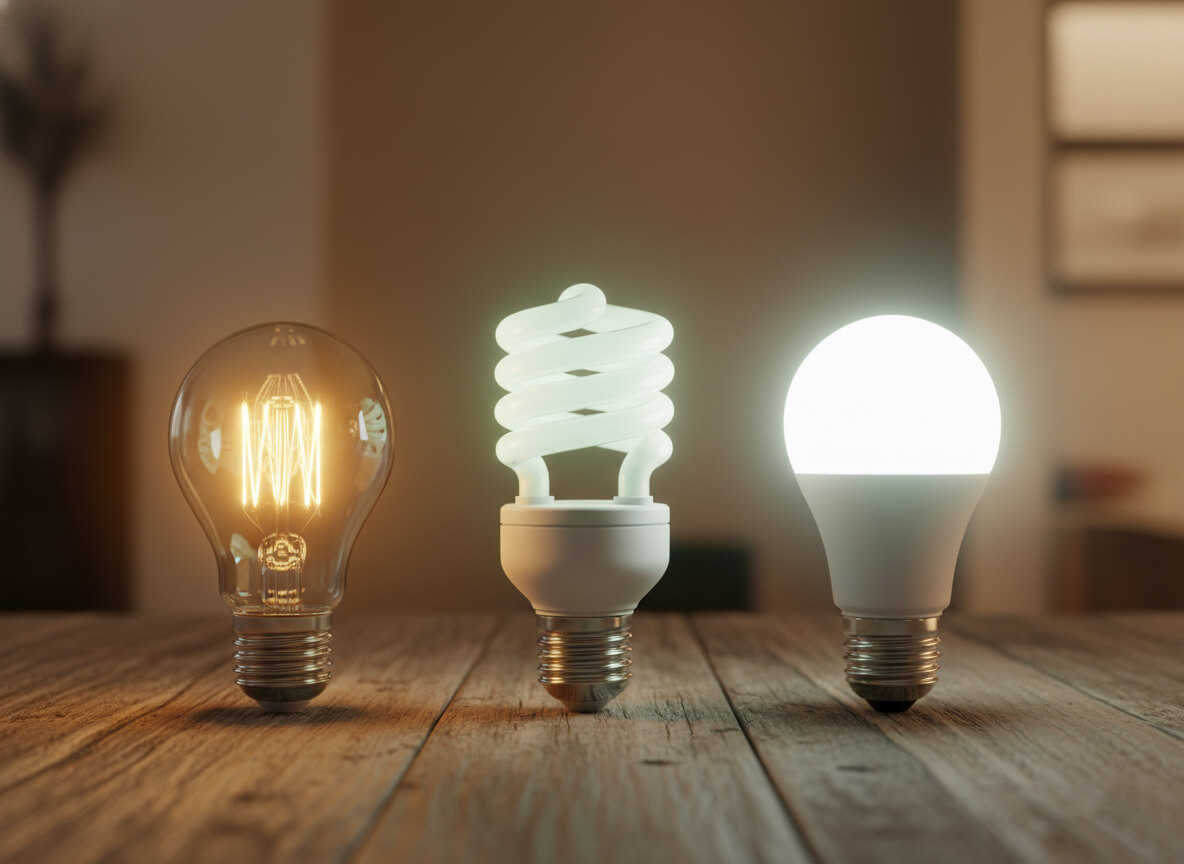
The government and the lighting industry have been pushing for efficiency for years. This has led to the rise and fall of several different types of bulbs. Let’s look at the options you might see on the shelf and which one is the clear winner.
2.1 Incandescent and Halogen: The Old Guard
Traditional Incandescent bulbs work by heating a tiny wire filament until it glows. While they produce a beautiful warm light, they are incredibly wasteful. In fact, they turn about 90% of the electricity they use into heat, not light. Because of new government efficiency standards that kicked in around 2023, these standard bulbs are being phased out and are becoming hard to find.
Halogen bulbs are a slightly more efficient version of incandescents. They last a bit longer and use a little less power, but they still run very hot. They are often used in floodlights or specialty fixtures, but they are rapidly becoming obsolete.
2.2 Compact Fluorescent Lamps (CFLs): The Bridge Technology
You recognize these immediately by their spiral, curly-cue shape. CFLs were the first big wave of energy-saving bulbs. They use about 70% less energy than incandescents and last much longer. However, they have significant downsides.
Many people dislike the quality of light from CFLs, which can feel harsh. They often take a minute to “warm up” to full brightness. Most importantly, they contain small amounts of mercury. If you break one, it requires careful cleanup, and they cannot be thrown in the regular trash. Recent studies, including research from Stony Brook University, have even suggested that UV emissions from CFLs could be harmful to skin at very close range. Because of these issues, CFLs are also being phased out.
2.3 Light Emitting Diodes (LEDs): The Clear Winner
If you are buying a bulb today, LED is almost certainly the right choice. LEDs are semiconductors that emit light when current passes through them. They are the superheroes of the lighting world.
Why are they the best?
Efficiency: They use up to 90% less energy than old bulbs.
Longevity: An LED bulb can last 25,000 hours or more. That is nearly 20 years of typical use! You could change a bulb when your child is born and not change it again until they graduate college.
Safety: They run cool to the touch, reducing the risk of burns or fires, and they cut down on your home’s air conditioning load in the summer.
Savings: While they might cost a dollar or two more upfront, the savings are massive. Consumer reports suggest that swapping out incandescents for LEDs can save a household over $100 a year in electricity bills.
2.4 Smart and Specialty Bulbs
We are now in the era of “Smart Lighting.” These are LED bulbs equipped with Wi-Fi or Bluetooth. You can screw them into a regular lamp and control them with your phone or voice assistant. You can change their color from white to purple, dim them without a dimmer switch, or schedule them to turn on automatically at sunset. While more expensive, they offer incredible convenience and security features, like making it look like someone is home when you are on vacation.
Part 3: The Mechanics: Shapes, Bases, and Fixture Compatibility
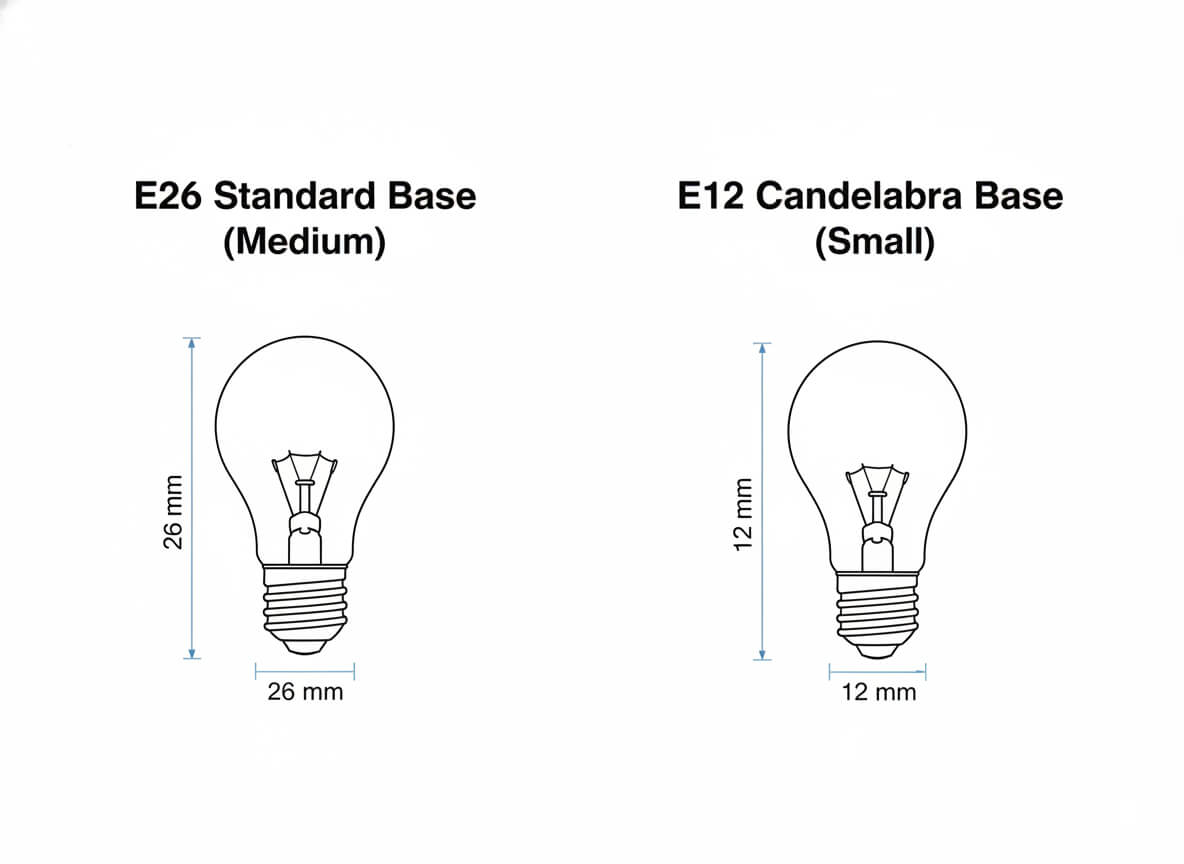
Nothing is more frustrating than getting home, climbing up a ladder, and realizing you bought a bulb that doesn’t fit the socket. Light bulbs use a code system that describes their shape and base size. Here is how to crack the code.
3.1 Decoding Light Bulb Codes
Bulbs are identified by a letter and a number (like A19 or G25). The Letter tells you the shape of the glass. The Number tells you the diameter of the bulb in eighths of an inch.
- A-Series (e.g., A19): This is the classic “snow cone” shape we all draw when we doodle a light bulb. It is the standard for table lamps and ceiling fixtures.
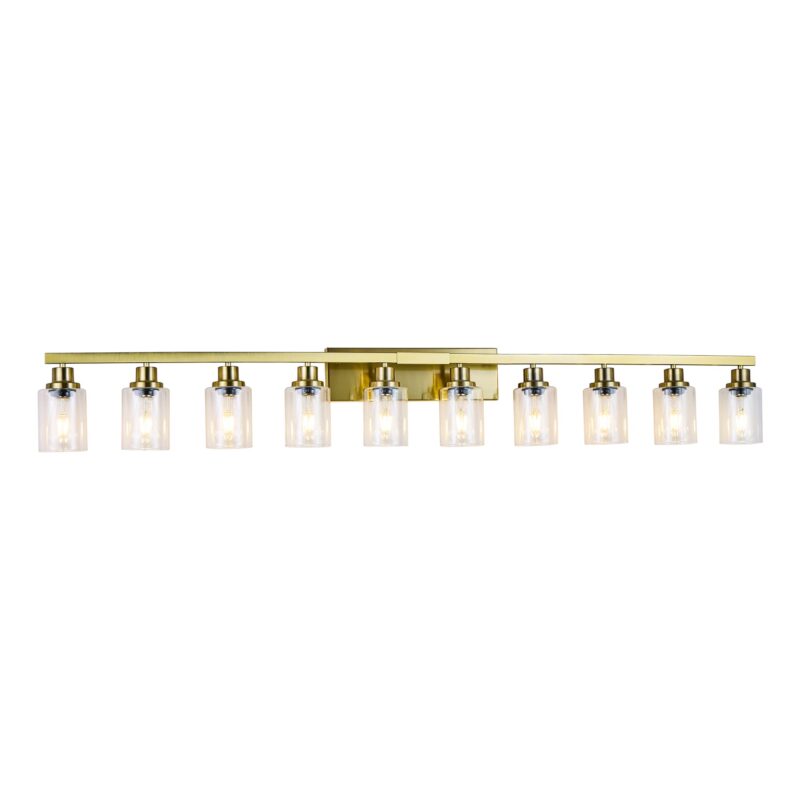
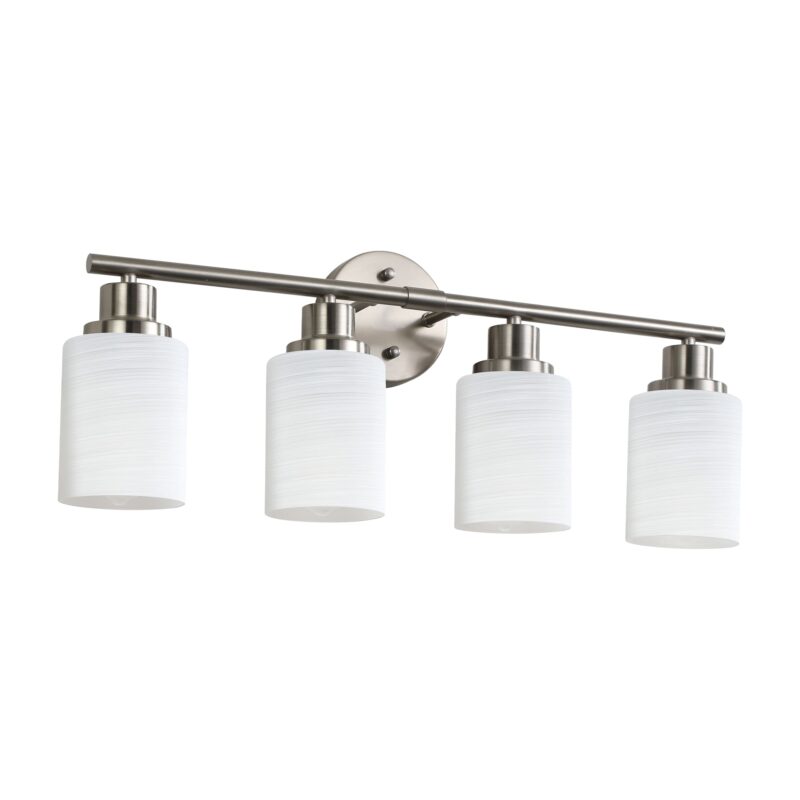
- G-Series (e.g., G25): These are “Globe” bulbs. They are round and decorative, often used in bathroom vanity strips where the bulb is visible.
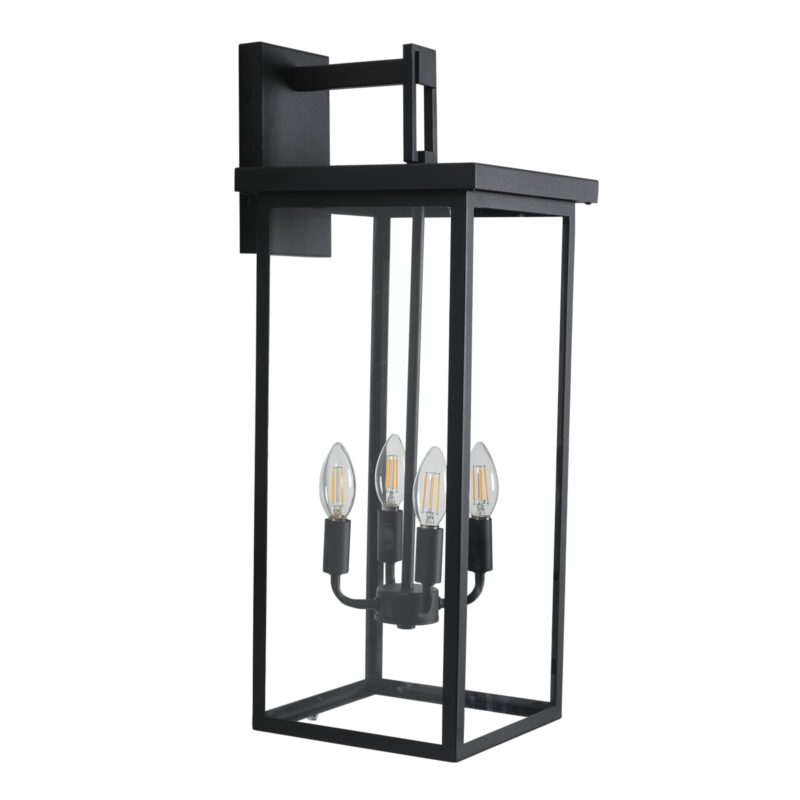
- B and C-Series: These are “Candle” or “Candelabra” shapes. They look like a flame and are used in chandeliers and wall sconces.
- BR and PAR Series: These are reflectors or floodlights. They have a flat face and direct light in one direction, making them perfect for recessed “can” lights in the ceiling or outdoor floodlights.
3.2 Understanding Base Types
The base is the metal part that screws or plugs into the fixture. In the US, the most common types are:
- E26 (Medium Base): The standard screw-in base found on most lamps and overhead lights. The “26” stands for 26 millimeters wide.
- E12 (Candelabra Base): The smaller screw-in base found on chandeliers and small night lights.
- GU10 and GU24: These are “pin” bases. Instead of screwing them in, you insert pins and twist to lock. These are common in track lighting and some newer energy-efficient fixtures.
Pro Tip: Before you go to the store, take a picture of your old bulb or write down the code printed on the base to ensure a perfect match.
Part 4: Room-by-Room Lighting Guide
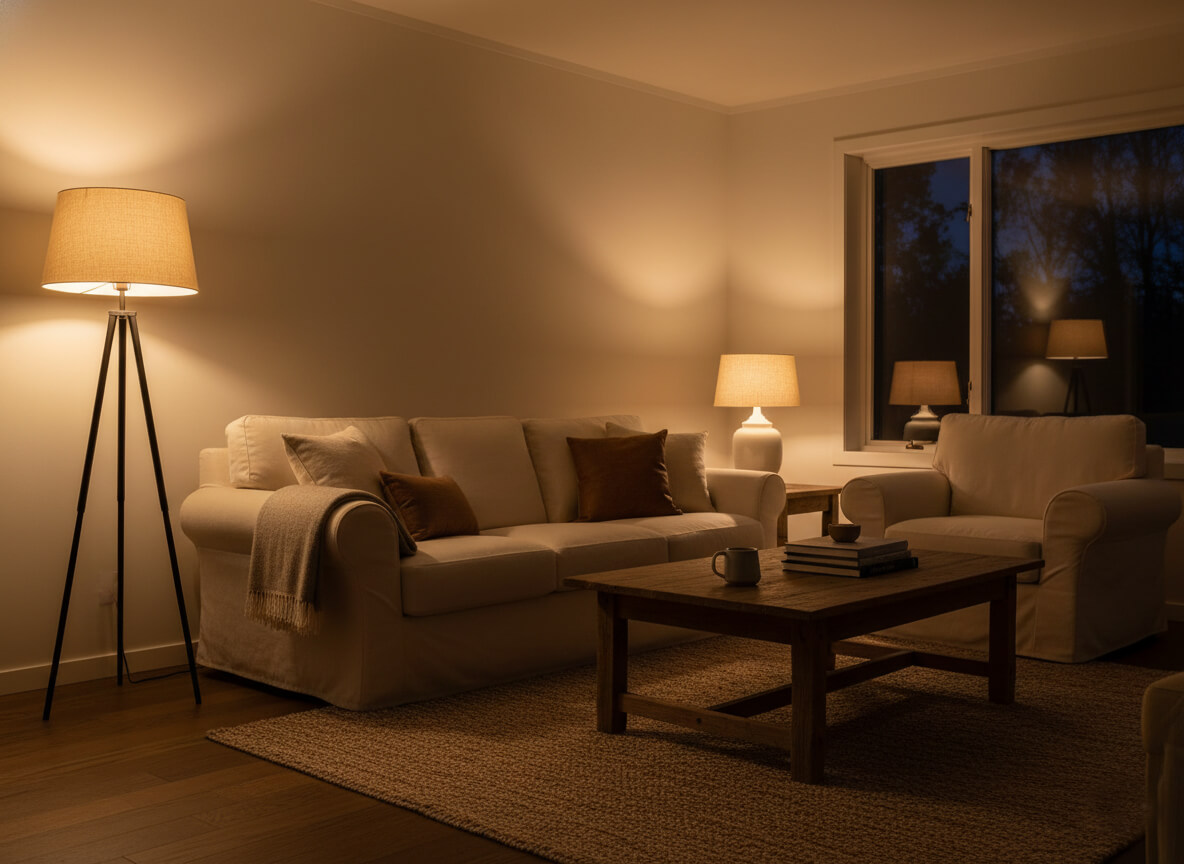
Lighting is not one-size-fits-all. The light you need to chop vegetables safely is very different from the light you need to relax before bed. Here is a cheat sheet for lighting every room in your house like a pro designer.
4.1 Living Room and Family Room
This is where you unwind, watch movies, and chat with guests. The goal here is atmosphere.
- Color: Stick to Warm White (2200K – 3000K). This mimics the relaxing glow of a fire.
- Brightness: You need about 1,500 to 3,000 total lumens for the whole room.
- Strategy: Avoid relying on one big ceiling light. Use “layered” lighting with floor lamps and table lamps. Put everything on dimmers so you can lower the lights for movie night.
4.2 Kitchen and Dining Areas
The kitchen is a workspace. You are handling knives and reading recipes, so visibility is key.
- Color: Use Neutral or Bright White (3000K – 4500K). This cleaner white light helps you see colors accurately and feels energetic.
- Brightness: Aim high, around 4,000 to 8,000 total lumens.
- Dining Tip: For the dining room table, switch back to Warm White. Food looks more appetizing, and people look better under warm light. A dimmer switch in the dining room is essential to transition from homework time to dinner time.
4.3 Bedroom and Sleeping Areas
Your bedroom should be a sanctuary for rest. Lighting plays a huge role in your sleep quality.
- Color: Use Soft White (2700K). Avoid “Daylight” bulbs here at all costs! Blue-rich daylight bulbs suppress melatonin, the hormone that helps you sleep.
- Brightness: Keep it lower, around 1,000 to 2,000 total lumens.
- Science Fact: Research from the Lighting Research Center indicates that exposure to warm, dim light in the hour before bed helps synchronize your biological clock for better rest.
4.4 Bathroom and Vanity
The bathroom is tricky. You want it to be relaxing for a bath, but bright enough for shaving or applying makeup.
- Color: Cool White or Daylight (3500K – 5000K) is best for the vanity mirror. This mimics outdoor light, ensuring you don’t leave the house with unblended makeup or missed spots shaving.
- Brightness: Aim for 2,000 to 4,000 lumens.
- Safety: Always ensure bulbs used near showers or tubs are rated for damp or wet locations.
4.5 Home Office and Study
To stay productive, you need light that keeps your brain alert.
- Color: Go with Cool White or Daylight (3500K – 5000K). This spectrum boosts serotonin and helps with focus and concentration.
- Strategy: Use a desk lamp for task lighting to reduce eye strain, but make sure it doesn’t create glare on your computer monitor.
Part 5: Specialized Applications and Features
Some areas of your home have special requirements that go beyond just color and brightness.
5.1 Outdoor and Landscape Lighting
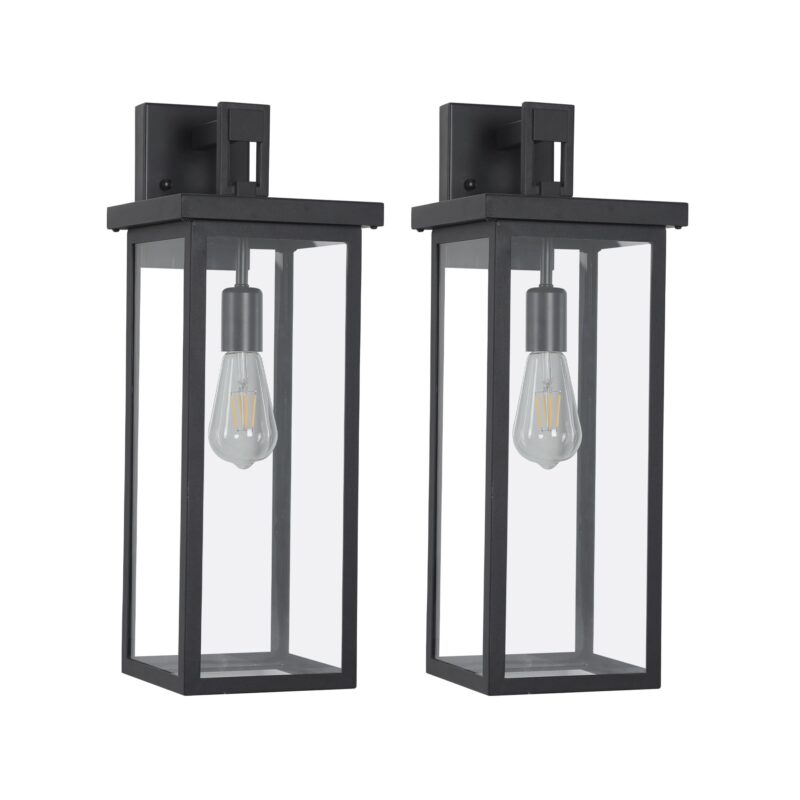
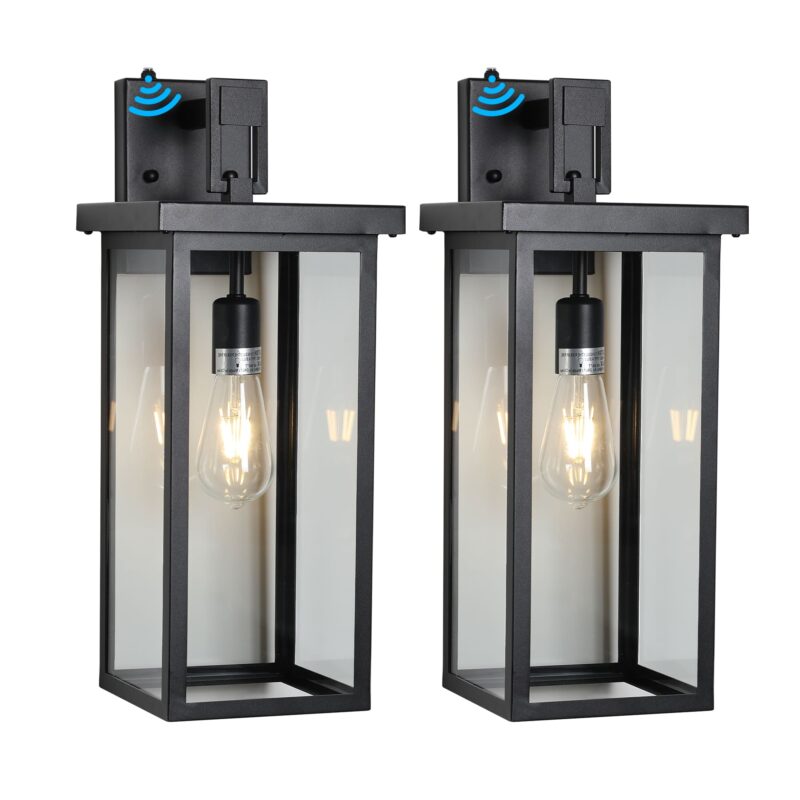
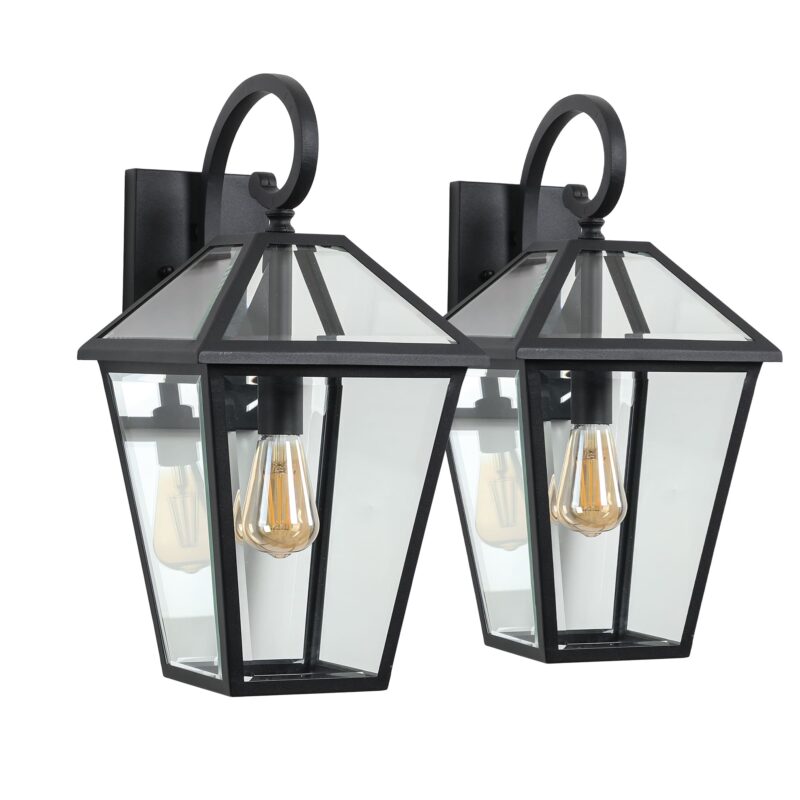
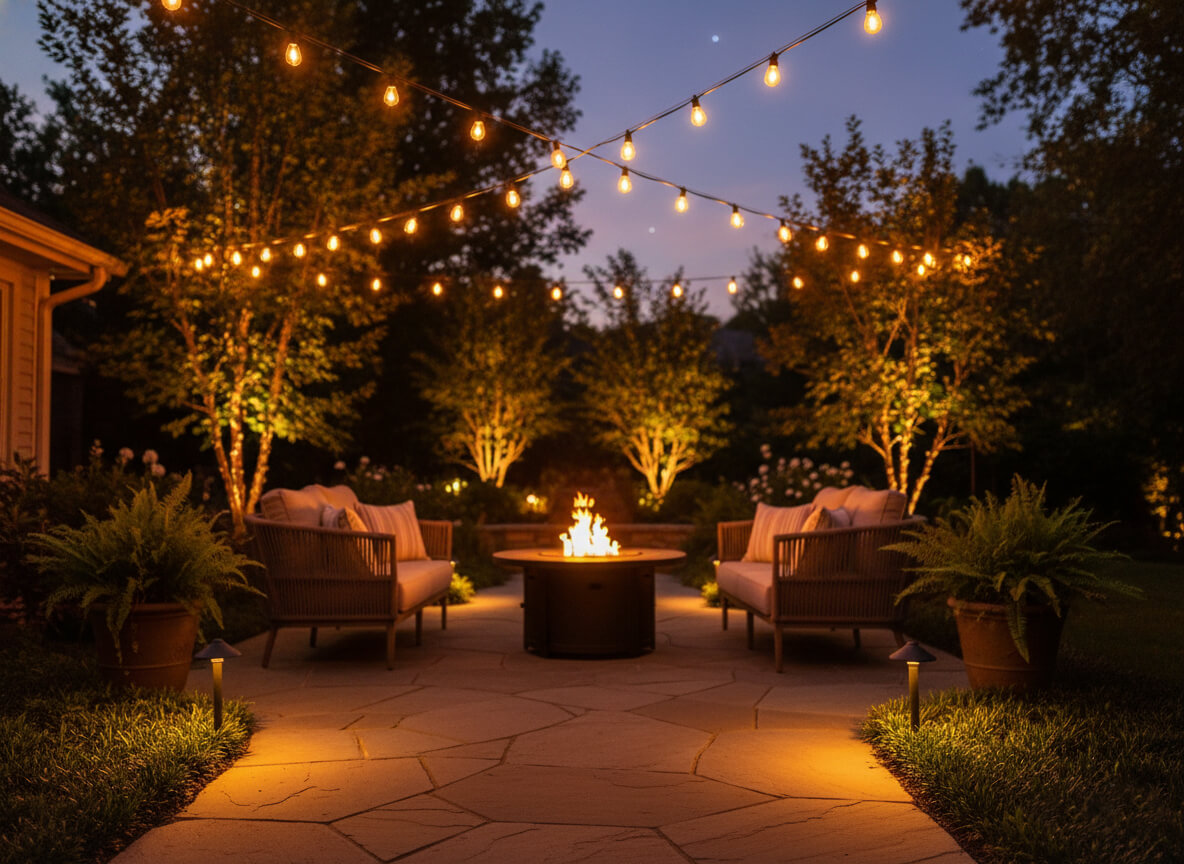
Outdoor lighting serves two purposes: security and beauty. For security floodlights, choose bright Daylight (5000K) bulbs with motion sensors to startle intruders. For patio dining or landscape paths, stick to Warm White to create an inviting ambiance.
Important: Always check the packaging for “Wet Rated” or “Damp Rated.” Using a standard indoor bulb outside is dangerous, as moisture can cause it to short out or shatter.
5.2 Dimmability and Compatibility
Not all LED bulbs can be dimmed. If you put a standard LED bulb on a dimmer switch, it might flicker, buzz, or not turn on at all. You must look for packaging that specifically says “Dimmable.” Furthermore, if you have old dimmer switches built for incandescent bulbs, you might need to upgrade your switches to “LED Compatible” ones for smooth performance.
5.3 Hard-to-Reach and Enclosed Fixtures
Do you have a ceiling fixture where the bulb is fully enclosed inside a glass dome? Heat builds up inside those fixtures. Standard LEDs can overheat and fail early in these conditions. Look for bulbs rated for “Enclosed Fixtures.”
For high ceilings or difficult-to-reach spots, spend a little extra for top-tier LEDs with the longest lifespan (20+ years). You do not want to be dragging out the tall ladder every year to change a cheap bulb.
Part 6: How to Buy: Labels, Disposal, and Cost
You are now ready to head to the store. Here are the final practical tips for making the purchase and handling old bulbs.
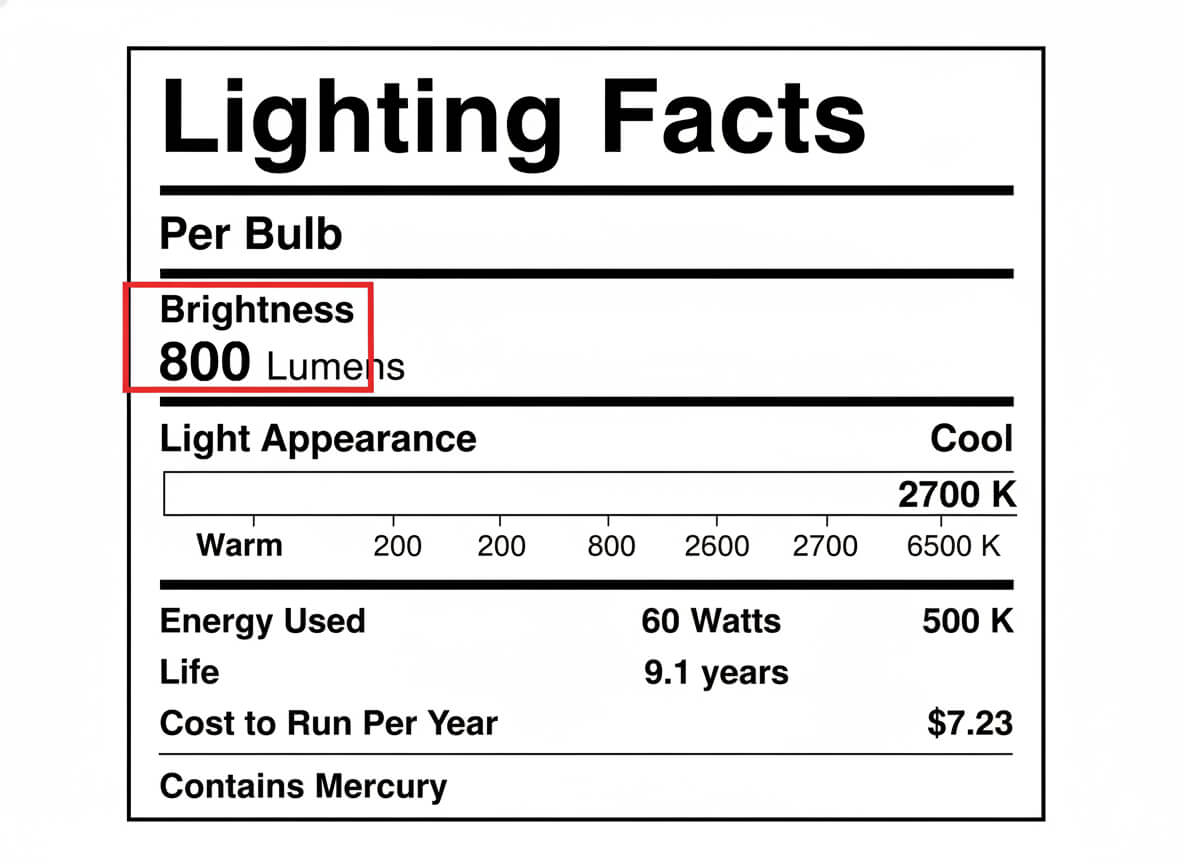
6.1 Reading the “Lighting Facts” Label
The Federal Trade Commission requires a label on bulb packaging that looks like a nutrition label. It is your best friend. It clearly lists:
- Brightness: The Lumen count.
- Estimated Yearly Energy Cost: Usually just a dollar or two for LEDs.
- Life: How many years it will last.
- Light Appearance: A scale showing where the bulb falls between Warm and Cool.
- Energy Used: The actual wattage.
6.2 Recycling and Safety
If you are replacing old CFLs (the curly ones), do not throw them in the trash. They contain mercury. Take them to big-box hardware stores like Home Depot or Lowe’s, which usually have free recycling bins for these bulbs. LEDs are much safer, but because they contain electronic components, it is still better to recycle them with e-waste if possible.
6.3 Conclusion and Checklist
Lighting is the unsung hero of home design. By making the switch to the right LEDs, you are not just saving energy; you are upgrading the way you live. Before you buy, run through this quick checklist:
- Check the Base: Does it fit the socket (E26, E12, etc.)?
- Check the Lumens: Is it bright enough for the task?
- Check the Color: Is it Warm for relaxing or Cool for working?
- Check the Tech: Is it LED? Is it Dimmable?
Frequently Asked Questions (FAQ)
1. What light bulb gives the most light?To get the most light, look for the highest number of Lumens. Do not look at watts. For a standard household socket, an LED bulb producing 1600+ Lumens (roughly equivalent to an old 100W bulb) will provide very bright light. For outdoor or garage spaces, you can find bulbs with 3000+ Lumens.
2. Is soft white or daylight better for the living room?Soft White (2700K) is generally better for living rooms. It creates a warm, relaxing, and cozy atmosphere perfect for unwinding. Daylight bulbs (5000K) can feel too harsh, clinical, and blue for a relaxing evening space.
3. How do I know if a bulb will fit my lamp?Check the code on your old bulb or the sticker on the lamp socket. The most common household size is E26 (Medium base), which is the standard screw-in type. Small chandeliers often use E12 (Candelabra base). If you are unsure, take your old bulb with you to the store to compare.
4. Do LED bulbs really last 20 years?Yes, they can! LED lifespans are rated in hours, often 25,000 to 50,000 hours. If you use a bulb for about 3 hours a day, 25,000 hours translates to nearly 23 years. However, factors like heat, humidity, and frequent on/off switching can reduce this lifespan.
5. Why do my LED lights flicker?Flickering usually happens when you use a dimmable LED bulb with an old dimmer switch designed for incandescent bulbs. The technologies aren’t compatible. To fix this, you either need to buy “non-dimmable” bulbs (if you don’t need dimming) or upgrade your wall switch to a modern “LED-compatible” dimmer.
6. Can I use a higher wattage LED equivalent in my fixture?Yes, as long as the actual wattage used by the LED is lower than the fixture’s maximum rating. For example, if your lamp says “Max 60 Watts,” you can safely use a 100-Watt Equivalent LED because the LED actually only uses about 15 watts of power. You get more light without exceeding the safety limit.
Light Up Your World
Choosing the right light bulb doesn’t have to be a guessing game. By understanding the simple concepts of Lumens, Kelvin, and Base size, you can transform your home from a simple living space into a curated environment that supports your lifestyle and well-being. The transition to LED technology offers a rare win-win: better quality light for your life and significant savings for your wallet.
At Lighting Depot USA, we understand that great lighting is about more than just the bulb—it’s about the fixture that holds it. We offer a curated selection of premium lighting fixtures designed to work perfectly with modern LED technology. Whether you need a statement chandelier for your dining room or sleek pendants for your kitchen island, we have the styles to make your new bulbs shine their brightest.