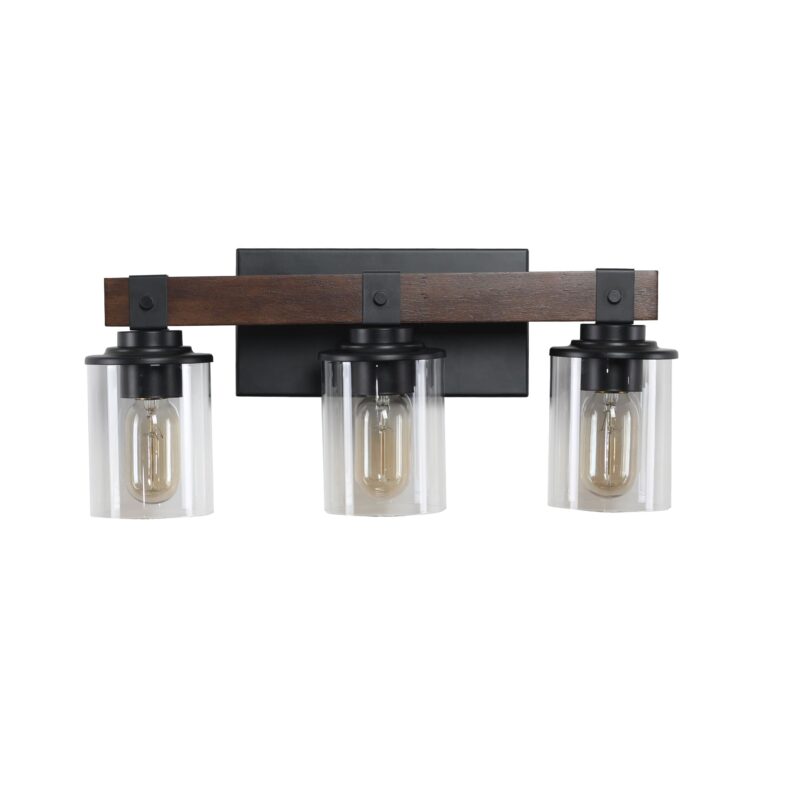
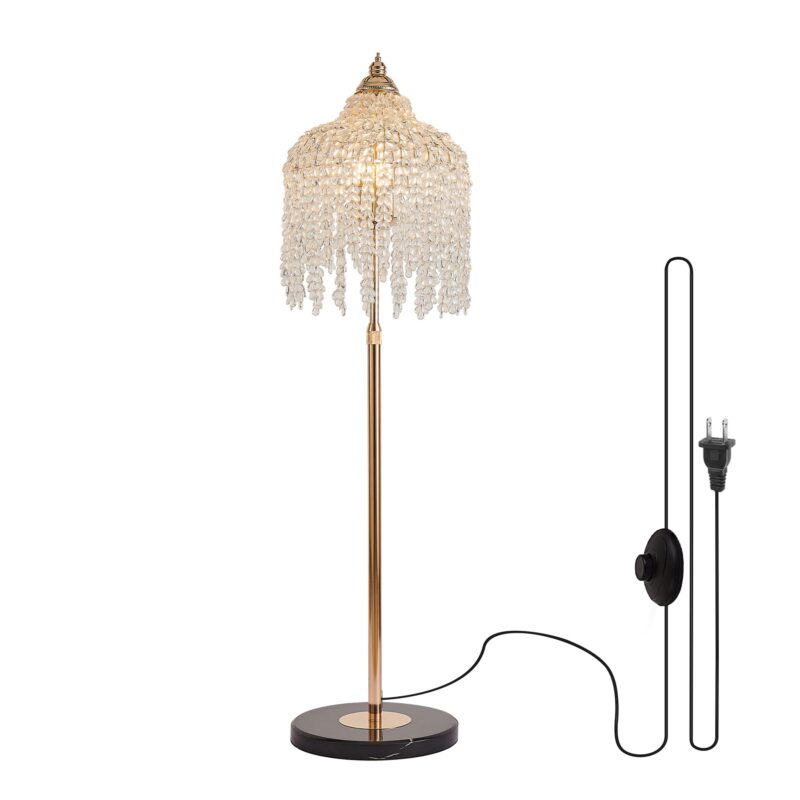
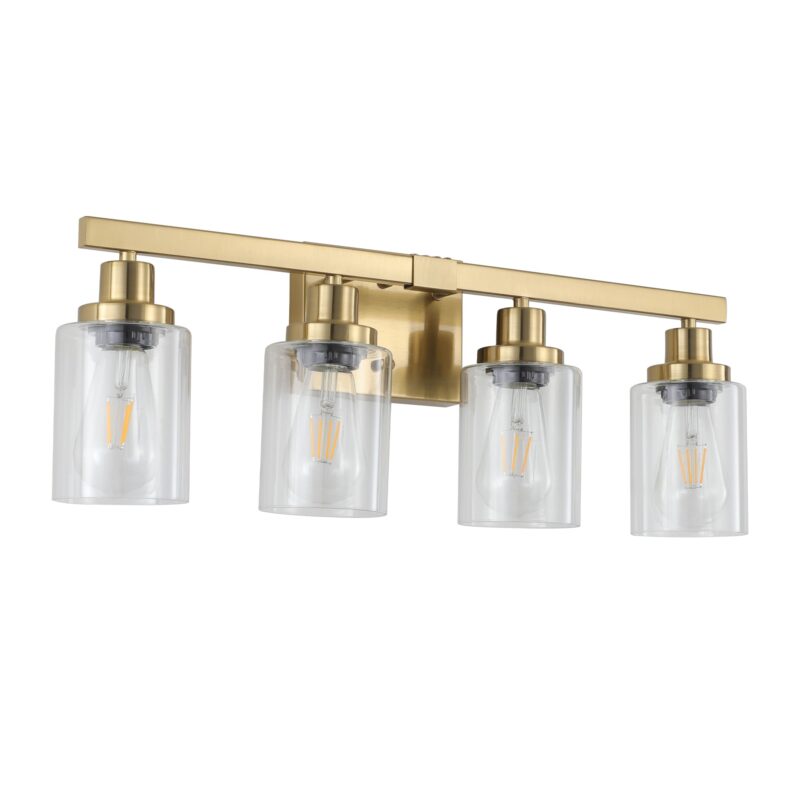
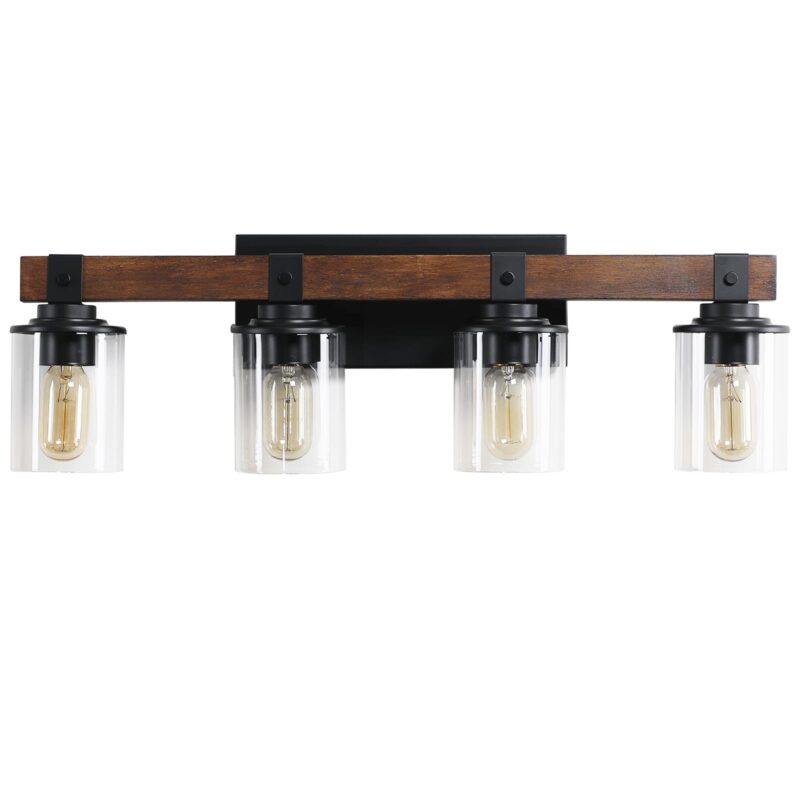
The “Why”: The 5 Foundational Benefits of a Great Outdoor Lighting Plan
Before we get into the nuts and bolts, it’s important to understand the immense value a well-designed lighting plan brings to your home. It’s one of the few home improvements that enhances aesthetics, security, and usability all at once.
- Enhanced Security and Deterrence: A well-lit property is a less attractive target for intruders. Shadows are hiding places, and proper lighting eliminates them. Motion-activated floodlights are a powerful and effective deterrent.
- Increased Safety and Navigation: This is perhaps the most practical benefit. Illuminating pathways, stairs, and elevation changes is crucial for preventing trips and falls for your family and guests.
- Boosted Curb Appeal and Property Value: A professionally lit home has a high-end, welcoming appearance that stands out in the neighborhood. It’s a feature that adds significant curb appeal and can increase your home’s perceived value.
- Extended Usable Living Space: Why let your beautiful patio or deck disappear after sunset? The right lighting can transform these areas into functional and inviting outdoor rooms, effectively extending the usable square footage of your home.
- Highlighting Architecture and Landscaping: You’ve invested in beautiful architecture and landscaping. Lighting allows you to enjoy those features 24/7. A well-placed uplight can turn a simple tree into a dramatic nighttime sculpture.
The “Where”: A Strategic 5-Zone Approach to Planning Your Layout
The best way to start is to stop thinking about individual lights and start thinking about zones. Walk around your property and identify these five key areas. This will give you a clear and organized plan of attack.
- Zone 1: The Entryways (Porches, Front Door, Garage): The goal here is to create a warm welcome and ensure safety. This is where you’ll use fixtures like wall sconces and overhead pendants.
- Zone 2: The Pathways (Walkways, Driveways, Stairs): The goal is safe navigation. This is the domain of path lights, in-ground lights, and step lights.
- Zone 3: The Social Spaces (Patios, Decks, Pergolas): The goal is creating a comfortable and inviting ambiance. This is where you can have fun with string lights, deck lights, and decorative wall lights.
- Zone 4: The Landscape (Trees, Gardens, Water Features): The goal is to create beauty and drama. This is where you’ll use spotlights, well lights, and other accent fixtures to highlight your favorite features.
- Zone 5: The Perimeter (Fence Lines, Dark Corners): The goal is security. This zone is best served by wide-beam floodlights and motion-sensor security lights.
Pro Tip: Before you buy anything, sketch a simple map of your property on a piece of paper. Mark these five zones and note the key features within each one you want to light. This simple map will be your blueprint for the entire project.
The “What”: A Deep Dive into Every Type of Outdoor Fixture
Now that you have your zoned plan, you can start choosing the right tools for the job. Each type of outdoor light fixture is designed for a specific purpose.
Outdoor Wall Lights (Sconces & Lanterns)
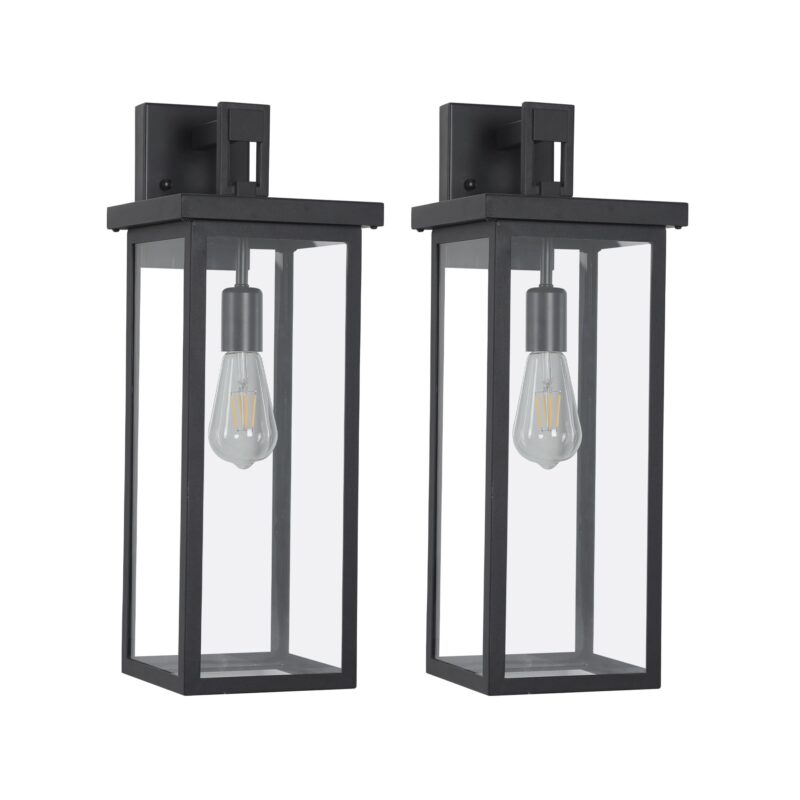
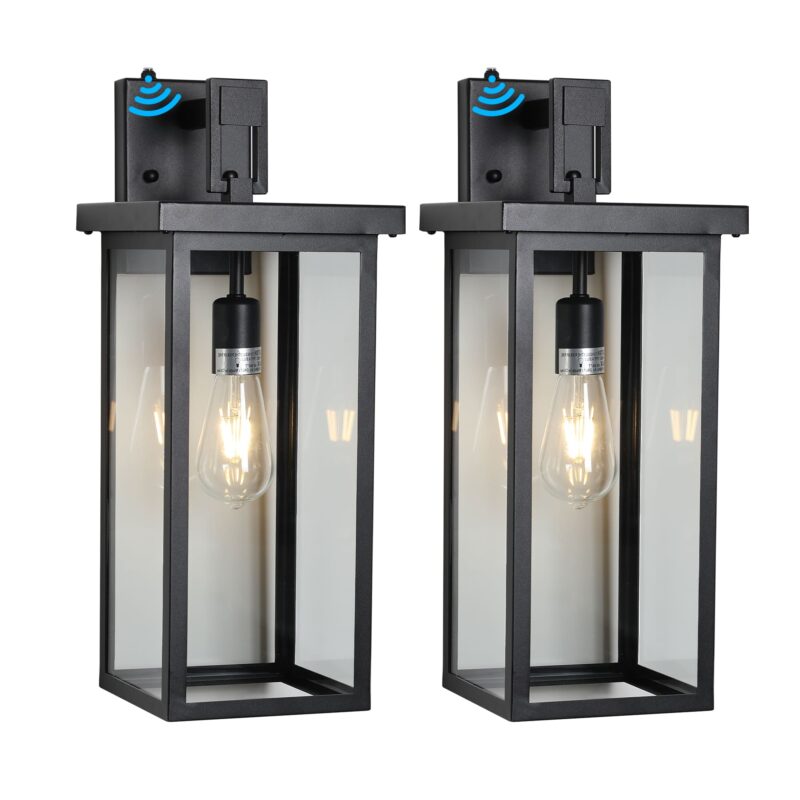
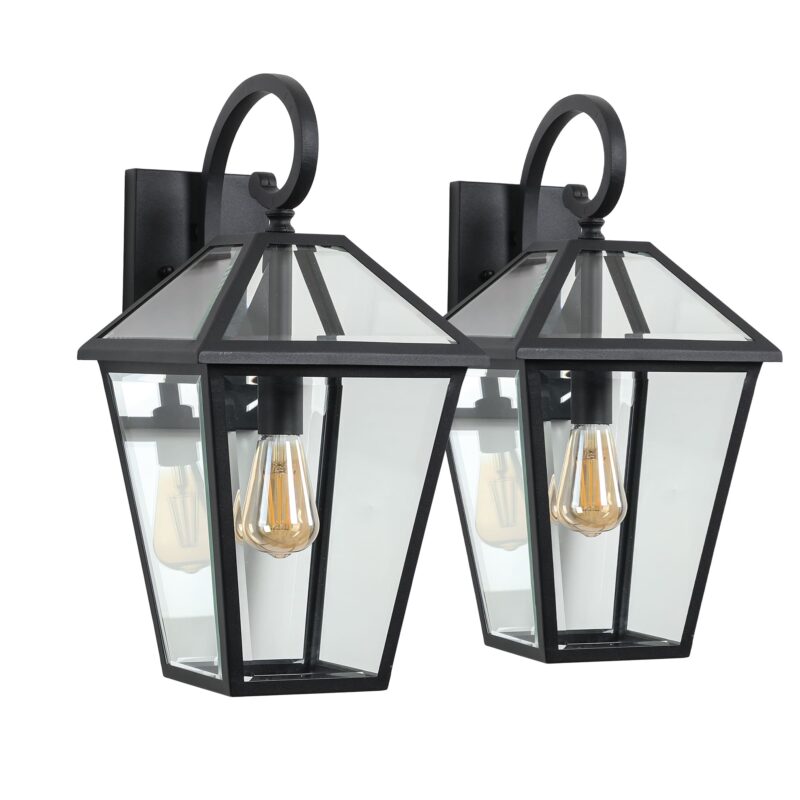
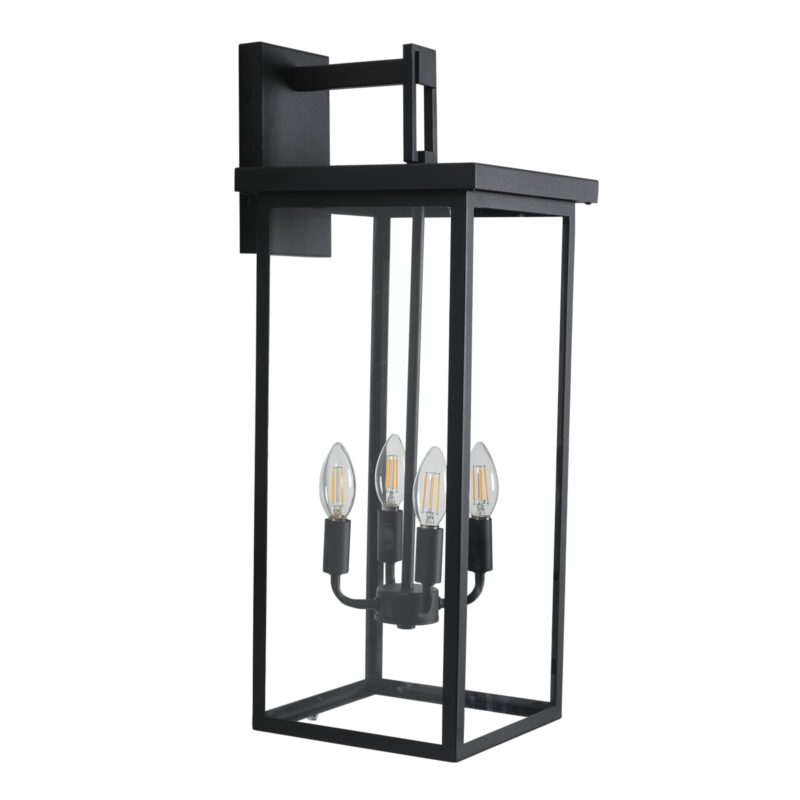
These are the workhorses of any outdoor lighting plan. Mounted on vertical surfaces, they provide essential light for entryways, garage doors, and patios. As a general sizing rule, a wall light flanking a door should be approximately one-quarter to one-third the height of the door to look properly scaled. They should be mounted slightly above eye level to cast a welcoming glow without creating harsh glare.
Outdoor Ceiling Lights (Pendants & Flush Mounts)
These fixtures are designed for covered outdoor areas like porches, porticos, and pergolas. Pendant lights, which hang down, are a great choice for ceilings that are 8 feet or higher and can create a dramatic focal point. For lower ceilings, flush-mount or semi-flush mount fixtures are the better option as they preserve essential headroom.
Path Lights
As the name suggests, these are small post-style lights used to illuminate walkways and garden beds. Typically standing 14 to 20 inches tall, their purpose is to cast pools of light downward onto the path for safe navigation. A common mistake is to use too many. A good rule of thumb for spacing is to place them just far enough apart that the pool of light from one fixture gently meets the edge of the next.
Security & Flood Lights
These are the power players of your lighting scheme, designed to cast a wide, powerful beam over a large area like a driveway or a dark side yard. The key difference is the beam angle:
- A Spotlight has a narrow beam (usually under 45 degrees) and is used to pinpoint a specific feature, like a flagpole or a tall tree.
- A Floodlight has a wide beam (up to 120 degrees) and is used for broad, general illumination for security and safety.
Landscape & Accent Lights
This is where you can get truly creative and add that “wow” factor to your property. These smaller, often hidden fixtures are the jewelry of your lighting plan.
| Fixture Type | Description | Best For |
|---|
| Well / In-Ground Lights | Fixtures that are recessed directly into the ground for a seamless, hidden look. | Uplighting the base of trees, stone walls, or architectural columns. |
| Deck & Step Lights | Small fixtures that are recessed into the risers of stairs or the surface of a deck. | Providing crucial safety lighting on elevation changes and defining the perimeter of a deck. |
| Hardscape Lights | Tiny, linear LED fixtures designed to be integrated directly into stonework. | Tucking under the capstones of retaining walls or into the structure of an outdoor kitchen. |
The “How”: Understanding the Technical Specifications
This is the part that can feel intimidating, but it’s actually quite simple once you understand the key terms. Getting these technical details right is what separates an amateur installation from a professional, long-lasting one.
How Do I Choose the Right Power Source?
You have three main options for getting power to your lights, each with its own pros and cons.
| Power Source | Pros | Cons | Best For |
|---|
| Line Voltage (120V) | Powerful, reliable, can support many lights on one circuit. | Requires professional installation by a licensed electrician. | Wall lights, security lights, and large, complex systems. |
| Low Voltage (12V) | Safe, easy for DIY installation, energy efficient. | Requires a transformer; limited in how many lights can be on one run. | Landscape lighting, path lights, deck lights. |
| Solar Power | No wiring needed, zero energy cost, highly flexible placement. | Dependent on sunlight, lower brightness, batteries degrade over time. | Small accent lights, areas far from a power source. |
What are IP Ratings and UL Ratings? The Ultimate Guide to Weatherproofing
This is arguably the most important technical specification for any outdoor light. Using an indoor-rated light outside is a dangerous mistake. You must choose a fixture that is certified to withstand the elements.
- UL Damp Rated: This means the fixture is suitable for covered, protected locations where it will not be directly exposed to rain. Think of a covered porch ceiling.
- UL Wet Rated: This means the fixture can be directly exposed to rain, snow, and sprinklers. This is the minimum standard for any unprotected wall light, path light, or post light.
The IP (Ingress Protection) rating is an international standard that gives you a more detailed score. The first number is for dust protection, and the second is for water protection. For outdoor lights, you only need to focus on the second number.
| IP Water Rating | Protection Level | Equivalent UL Rating | Where to Use It |
|---|
| IPx4 | Protected from splashing water. | Damp Rated | Covered porches and patios. |
| IPx5 | Protected from water jets (like sprinklers). | Wet Rated | Exposed walls, path lights, garden lights. |
| IPx7 | Protected from temporary immersion in water. | Submersible | In and around ponds or fountains. |
How Do I Choose the Right Brightness (Lumens) and Color (Kelvin)?
Just like with indoor lighting, choosing the right brightness and color temperature is key to creating the perfect effect.
The Right Lumens for the Right Job
You don’t want your garden path lit up like a stadium runway. Outdoor lighting is all about subtlety and using just enough light to be effective.
- Path & Step Lights: 100 – 200 lumens per fixture is plenty for safe navigation.
- Accent & Uplighting: 150 – 300 lumens is great for small trees and shrubs.
- Patio & Deck Lighting: 300 – 500 lumens per fixture provides a comfortable ambient glow.
- Entryway & Porch Lights: 400 – 800 lumens creates a bright, welcoming entrance.
- Security Flood Lights: 700 – 1500+ lumens are needed for powerful, wide-area illumination.
Choosing Your Color Temperature: The Mood of Your Home
For residential outdoor lighting, the choice is simple. A warm, inviting glow almost always looks better than a harsh, clinical one.
The Golden Rule for Outdoors: Stick to 2700K – 3000K (Warm White).
This color temperature range is incredibly flattering to natural materials like stone, wood, and plants. It creates a welcoming, high-end, resort-like feel. Cooler temperatures (4000K+) can look stark and commercial, and are generally best reserved for high-intensity security lighting only. The science of color temperature is fascinating. You can learn more in our complete guide to color temperature.
Advanced Topics – Pro-Level Techniques and Considerations
Ready to move beyond the basics? These professional techniques and modern features can elevate your lighting plan from good to truly spectacular.
An Introduction to Professional Lighting Techniques
It’s not just about the fixture; it’s about how you use it. Professionals use these techniques to create drama and beauty:
- Uplighting: Placing a spotlight or well light at the base of a tree or an architectural column and aiming it upward. This is the most common technique for creating dramatic effect.
- Downlighting (or “Moonlighting”): Mounting a light high up in a mature tree and aiming it downward. The light filters through the branches, creating beautiful, natural-looking shadows on the ground below, mimicking moonlight.
- Grazing: Placing a light very close to a textured surface, like a stone wall or brick facade, and aiming the beam parallel to the surface. This creates dramatic highlights and shadows that reveal the surface’s texture.
What is “Dark Sky Compliant” Lighting?
The “Dark Sky” movement, championed by organizations like the International Dark-Sky Association (IDA), is a global effort to reduce light pollution. A light fixture is considered “Dark Sky Friendly” if it has a full shield on top, ensuring that all of its light is directed downward where it’s needed, with zero light escaping upward into the night sky. Choosing these “good neighbor” fixtures reduces glare, respects wildlife, and allows you to enjoy the beauty of the stars.
Conclusion: Your Home’s Second Act Begins at Sunset
Outdoor lighting is one of the most powerful and rewarding investments you can make in your home. It is a unique blend of art and science, aesthetics and security. By thoughtfully planning your zones, choosing the right fixtures for each task, and understanding the key technical specifications like IP ratings and color temperature, you can create a system that is safe, beautiful, and adds immense value to your property.
You are now equipped with the knowledge to move beyond simple, functional lighting and create a truly professional and artful lighting design. It’s time to let your home shine.
Frequently Asked Questions (FAQs)
What is the best color temperature for outdoor lighting?
For most residential applications, the best color temperature is between 2700K and 3000K (Warm White). This creates a warm, welcoming, and natural-looking glow that is very flattering to landscaping and architectural materials. Cooler temperatures (4000K+) can look harsh and are best reserved for security lighting only.
What IP rating do my outdoor lights need?
It depends on the location. If the light is in a covered area protected from direct rain (like a porch ceiling), it must be at least “Damp Rated” (equivalent to IP44+). If the light will be exposed to direct rain, snow, or sprinklers, it must be “Wet Rated” (equivalent to IP65+).
Are LED lights good for outdoor use?
LEDs are the best possible choice for outdoor lighting. They are incredibly energy-efficient (saving you money on electricity), have an extremely long lifespan (reducing the need for frequent bulb changes), are durable, and perform very well in cold weather. Just be sure to buy fixtures or bulbs that are specifically rated for outdoor use.
What’s the difference between a spotlight and a floodlight?
The difference is the beam angle. A spotlight has a narrow beam (usually less than 45 degrees) and is used to highlight a single, specific object like a tree or a flag. A floodlight has a very wide beam (up to 120 degrees) and is used to wash a large area, like a driveway or a side yard, with broad light for security and safety.
Can I install low-voltage landscape lighting myself?
Yes, low-voltage (12V) landscape lighting is designed to be a safe and relatively easy DIY project for most homeowners. The system uses a transformer to reduce your home’s standard 120V power to a safe 12V, and the wires can be buried in a shallow trench. However, for any line voltage (120V) work, you should always hire a licensed electrician.
How far apart should I space my path lights?
A good rule of thumb is to space your path lights so that the pool of light from one fixture just touches the edge of the light pool from the next, creating a continuous and overlapping effect. This usually means spacing them anywhere from 8 to 10 feet apart, depending on the brightness and beam spread of your specific fixtures.